Recent News
AARDO–MARDI International Workshop on “Agriculture Technologies: Tools for Climate Change Mitigation”
27 September to 03 October 2026
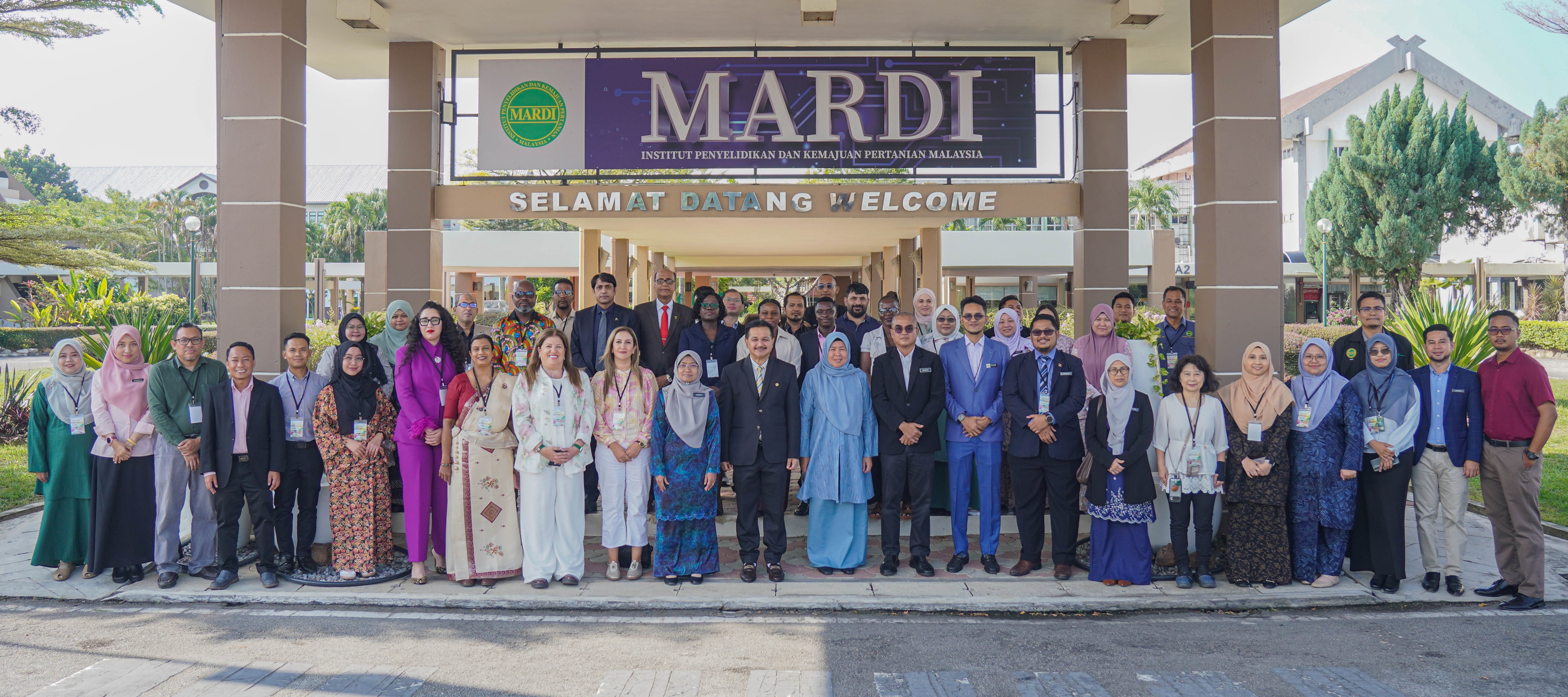
The African-Asian Rural Development Organization (AARDO), in collaboration with the Malaysian Agricultural Research and Development Institute (MARDI), Malaysia, organized an International Workshop on “Agriculture Technologies: Tools for Climate Change Mitigation” at MARDI, Serdang, Selangor, Malaysia, from 27 September to 03 October 2026. The Workshop brought together agricultural professionals, researchers and development practitioners from AARDO Member Countries to facilitate knowledge-sharing and exchange of experiences on innovative agricultural technologies and approaches for addressing climate change challenges.
The Workshop was attended by 17 participants from 17 AARDO Member Countries, namely Bangladesh, Republic of China (Taiwan), Eswatini, Egypt, Ghana, Jordan, Kenya, Lebanon, Liberia, Mauritius, Morocco, Oman, Pakistan, Palestine, Sri Lanka, Tunisia and Zambia. The participants represented diverse institutions and professional backgrounds covering agriculture, climate change, agricultural technology, agricultural research, environmental management and rural development.
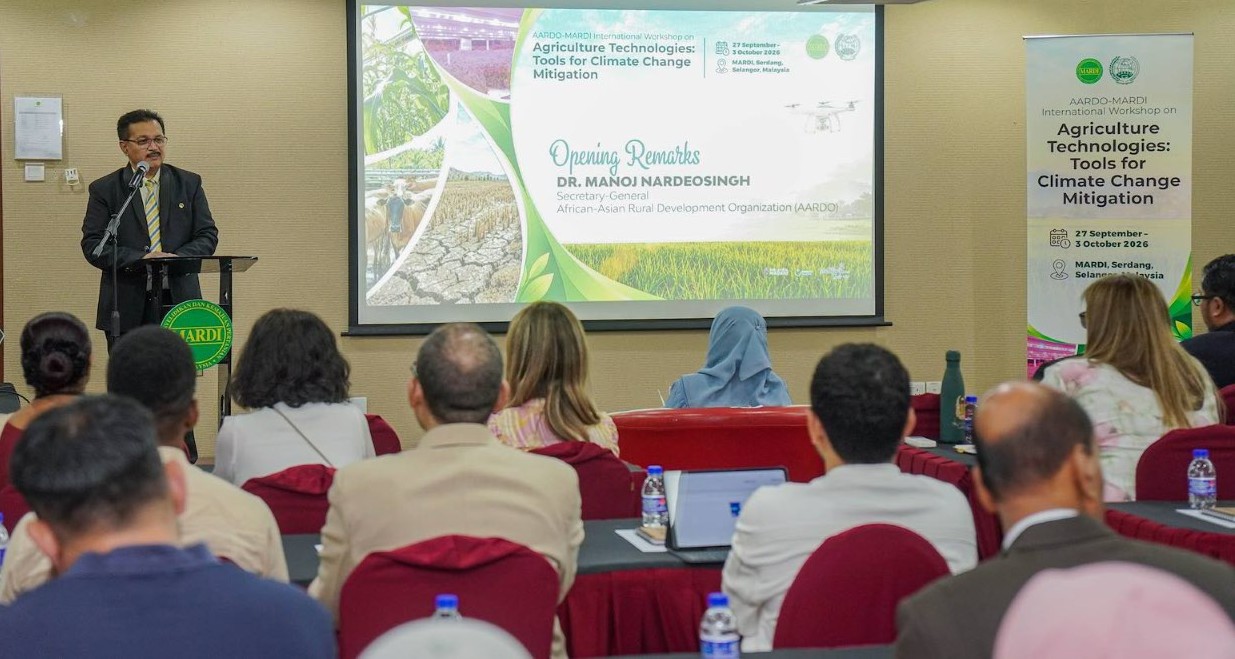
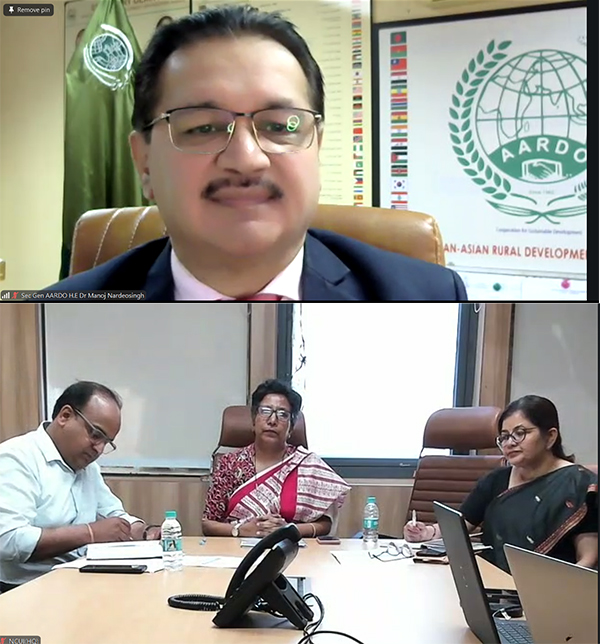
The programme commenced with the Opening Ceremony, held on 28 September 2026. The session was graced by H.E. Dr Manoj Nardeosingh, Secretary General, AARDO and Dr Sanimah binti Samoh Deputy Director General (Acting Director General), MARDI. In his inaugural address, H.E. the Secretary General, AARDO, highlighted the growing impacts of climate change on agriculture, food security and rural livelihoods, particularly in Africa and Asia, and emphasized the urgent need to transform agriculture into a more productive, sustainable, inclusive and resilient sector. He underscored the critical role of science, technology, digital and precision agriculture, smart irrigation and other appropriate, affordable and adaptable innovations in addressing such challenges, while stressing that innovation and technology must reach farmers and deliver tangible benefits. He highlighted the longstanding and fruitful AARDO–MARDI partnership, its contribution to capacity building and technology sharing, and the importance of further expanding cooperation through physical programmes, study visits, expert exchanges, policy dialogues and joint research.
The Workshop successfully provided participants with first-hand exposure to Malaysia’s technology-driven agricultural models and practical understanding of climate-smart, digital and precision agriculture. The demonstrations and field visits enhanced participants’ appreciation of practical technologies for greenhouse gas measurement, resource-use efficiency, agricultural waste management, smart irrigation and controlled-environment production. The exchange of experiences among participants and experts also contributed to strengthening South-South cooperation and professional networking among AARDO Member Countries. The programme further supported the intended outcomes of enabling participants to identify transferable agricultural technologies.
The technical sessions covered three major thematic areas: climate-smart agricultural technologies and ecosystem management; innovative agricultural waste management and circular economy; and digital and precision agriculture. Discussions and demonstrations covered climate-resilient crop production, sustainable rice and peatland management, greenhouse gas measurement, agricultural waste utilization, livestock emission reduction, carbon footprint assessment, smart irrigation, IoT-based water management, early warning systems, plant factory technologies and controlled-environment agriculture.
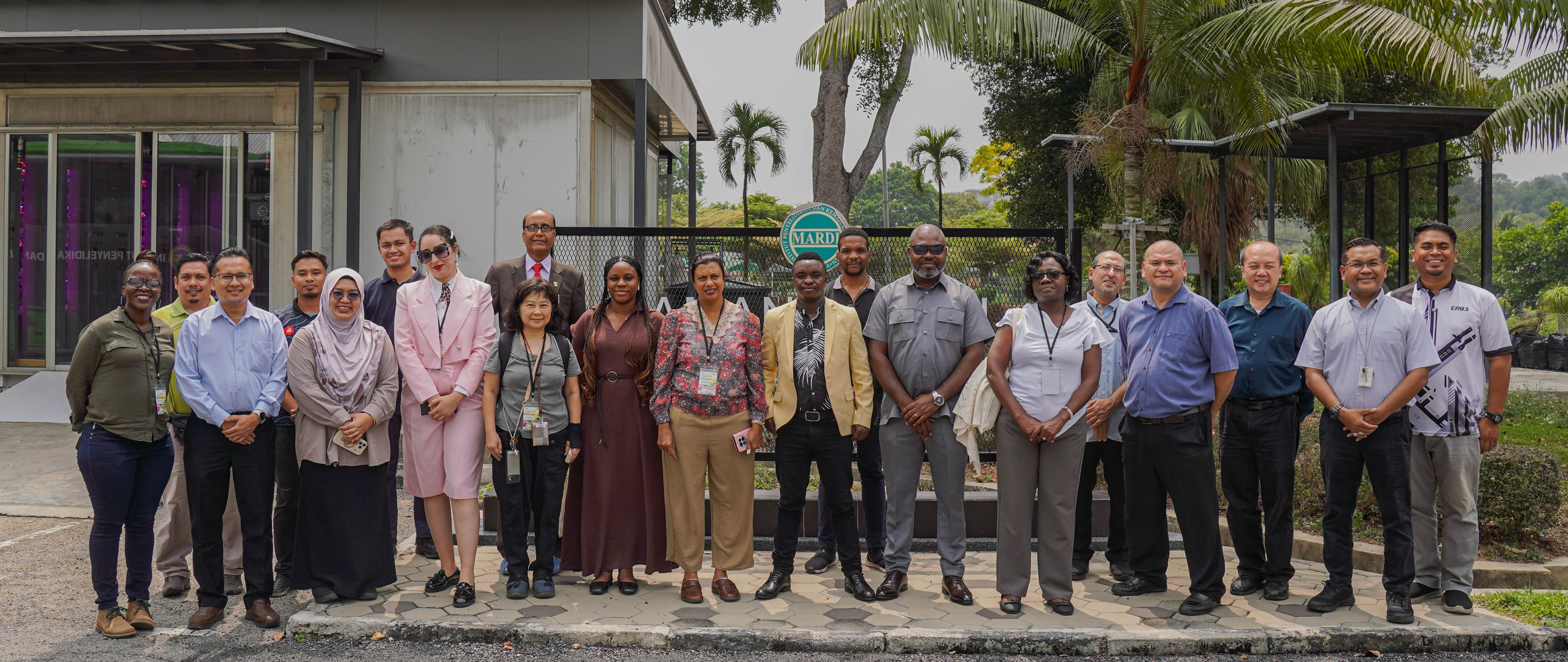
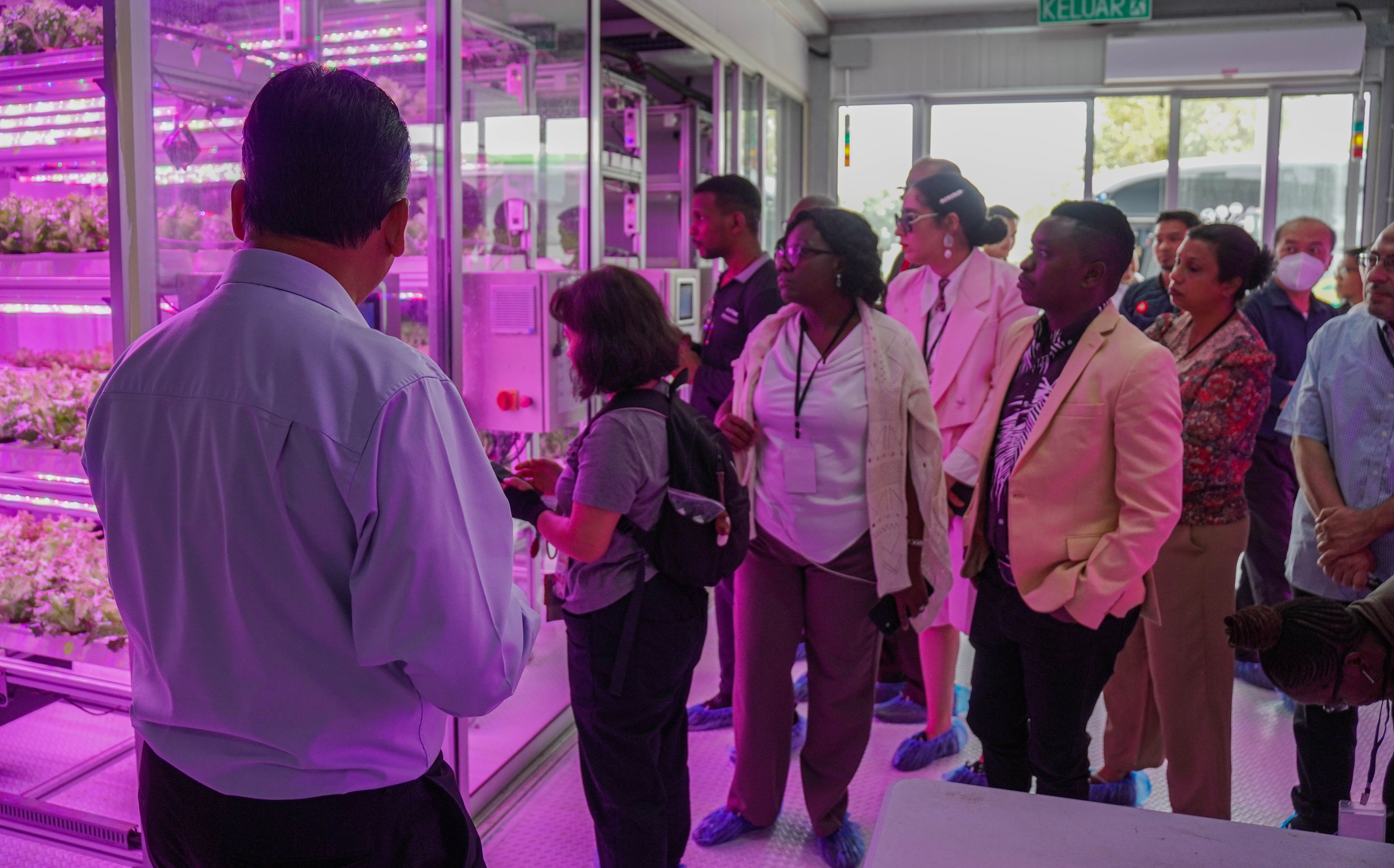
The Workshop was amply complemented by practical exposure through demonstrations on greenhouse gas collection and measurement, visits to the Insect Museum and Black Soldier Fly facilities, the Modular Plant Factory and Show Plot, the Plant Factory and Solar Farm, and a field visit to IADA BLS and MARDI Tanjong Karang. An interactive session on Farmer Innovation and Feedback further encouraged participants to exchange experiences and consider localized approaches to technology adoption. The Workshop provided a valuable platform for knowledge-sharing, experience exchange and capacity development among participating AARDO Member Countries.
As a way forward, institutional action plans identifying suitable climate-smart agricultural technologies, implementation challenges and potential solutions, including solar-powered irrigation, agricultural drones, biochar, IoT-based irrigation and agricultural waste were developed. The group activity encouraged collaborative discussions on farmer-led innovations, practical technology adoption and approaches adaptable to different national contexts.
The programme concluded on the evening of 2nd October, with positive feedback from the participants followed by a Closing Dinner and Felicitation Ceremony, marking the successful completion of the Workshop. The programme reinforced the importance of international cooperation, knowledge exchange and technology-based approaches in strengthening the resilience and sustainability of agriculture and rural development in AARDO Member Countries.
International Training Programme on “Inclusive Rural and Regional Development in Malaysia”, INFRA, Malaysia
05-17 August 2026
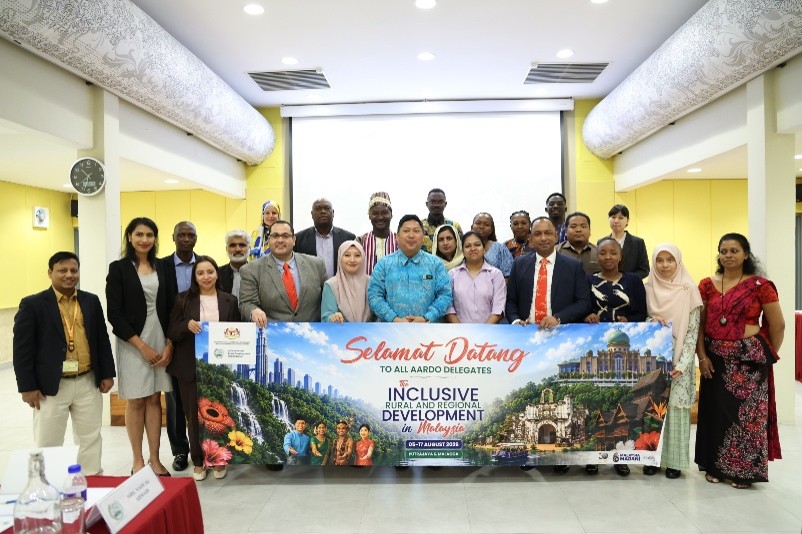
AARDO in collaboration with Ministry of Rural and Regional Development, Government of Malaysia, organized an International Training Programme on “Inclusive Rural and Regional Development in Malaysia” for AARDO Member Countries at Institute for Rural Advancement (INFRA), Malaysia, during 05 - 17 August 2026.
A total of 20 participants from 15 AARDO Members, namely Bangladesh, Egypt, Eswatini, Gambia, Ghana, India, Kenya, Lebanon, Liberia, Morocco, Mauritius, Namibia, R O China (Taiwan), Pakistan, Sri Lanka and Zambia, besides an AARDO Official, participated in the programme.
The main objectives of the programme were achieved. It has enhanced participants' understanding of rural development policies, strategies and programmes, particularly the Malaysian experience; facilitated the sharing of successes, best practices and lessons learned from rural development programmes implemented in Malaysia, especially those aimed at empowering rural communities through income generation and value-added initiatives such as cooperatives and agriculture; enabled participants to exchange views and practical knowledge on technology transfer, income-generating activities and environmental improvement for enhancing the quality of life in rural areas; and promoted collaboration and networking among key personnel involved in rural development and poverty alleviation in participating countries.
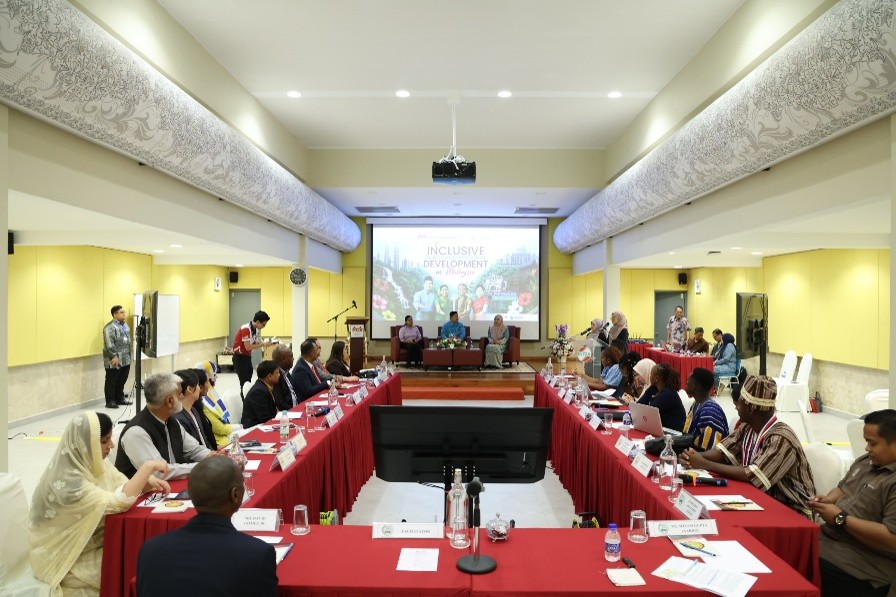
The course provided participants with a comprehensive exposure to Malaysia's policies, strategies and institutional mechanisms for rural and regional development. The classroom sessions covered important themes, including the Government of Malaysia's policy framework and administrative structure, Malaysia's Rural Development Policy 2030, rural institutions and community development mechanisms, regional development and balanced territorial growth, rural entrepreneurship, cooperatives and digital transformation, agriculture and food security, commodity-based rural development, indigenous community empowerment, land development models and rural tourism development.
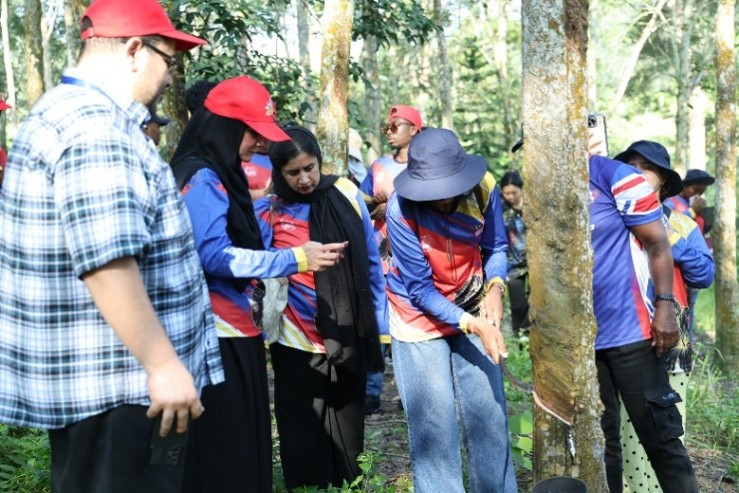
The programme also included a courtesy visit to the Ministry of Rural and Regional Development (KKDW), exposure visits to Putrajaya, Kuala Lumpur and Malacca, and an extensive field-based learning component at FELDA Kg. Hutan Percha, Alor Gajah, Melaka. The field visits enabled participants to gain practical exposure to rural village development models, rubber and oil palm plantations, community farming projects, village activities, homestay experiences with traditional food and cultural activities, and other community-based development initiatives.
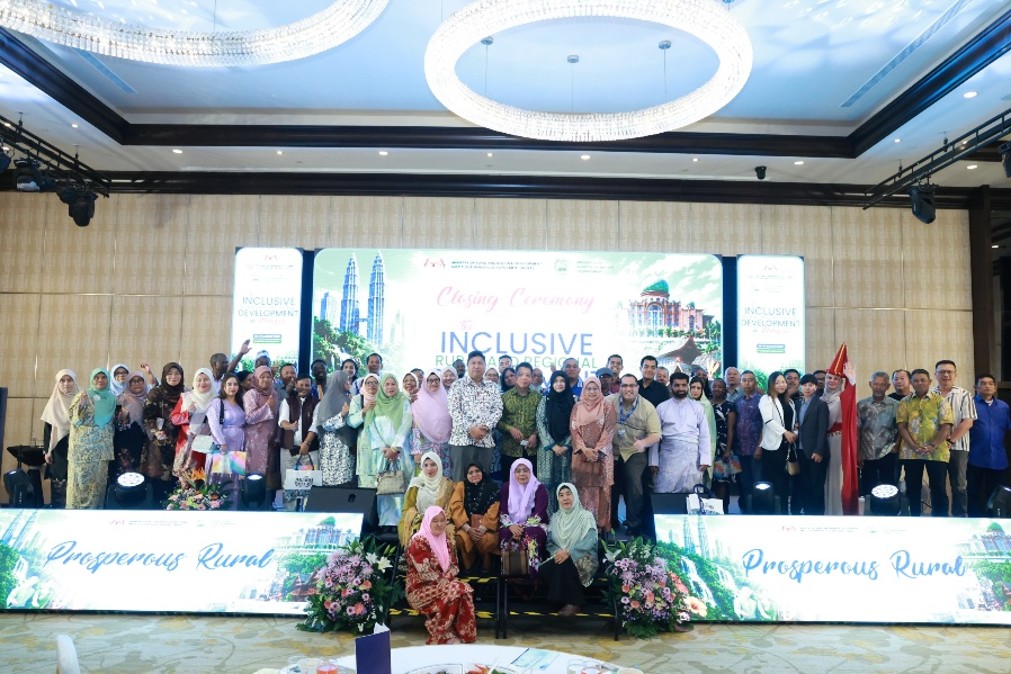
A valedictory ceremony of the programme organized in Melacca on 16 August 2026, was attended by Deputy Secretary-General (Policy), Ministry of Rural and Regional Development (KKDW), Datuk Abdul Kahar Abdullah and YBrs. En. Abd Jalil bin Ismail, Director INFRA, and other officials. The dignitaries congratulated and participants for having successfully completing the programme and presented them with the certificate of participation. The programme concluded with an appreciation from the participant’s representative mentioning the impressive and well-organization of the programme which not only provided exposure to the policies and programmes of Malaysia but also a glimpse of successful models of rural transformation.
AARDO has expressed profound gratitude to the Ministry of Rural and Regional Development and the Institute for Rural Advancement (INFRA), Government of Malaysia for yet another cohort of the International Programme on “Inclusive Rural and Regional Development in Malaysia”
AARDO-JCC Online international training program on “Cooperative Action: Governance, Partnerships, and Empowerment” (Arabic language)
6-7 July 2026
Amidst the growing development challenges facing rural communities, cooperative models have emerged as effective tools for fostering sustainable economic and social development by empowering individuals and stimulating collective action grounded in principles of participation, equity, and shared responsibility. In view of importance of the subject, African-Asian Rural Development Organization (AARDO), in collaboration with its Middle East Regional Office (MERO) and the Jordan Cooperative Corporation (JCC), Jordan, organized an Online international training program in Arabic language on “Cooperative Action: Governance, Partnerships, and Empowerment”, during 6-7 July 2026, exclusively for Arabic speaking AARDO member countries and its centers of excellence.
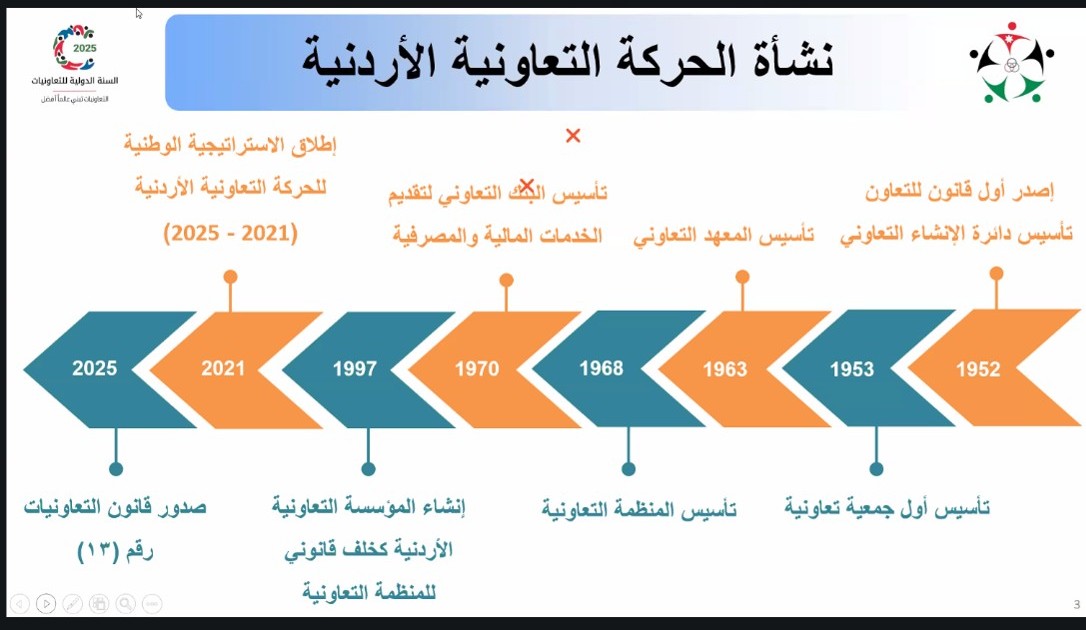
The training program aimed at highlighting the vital role of cooperatives in supporting livelihoods and strengthening the capacities of local communities, particularly in rural settings. Specific objectives of the programme were to: i) promote cooperatives as an economic tool for empowering rural communities; ii) explore the Jordanian experience and highlight successful Jordanian cooperative models; iii) showcase models of women's economic and social empowerment through the cooperative movement; and iv) raise awareness regarding the importance of cooperative models as a tool for comprehensive and sustainable development.
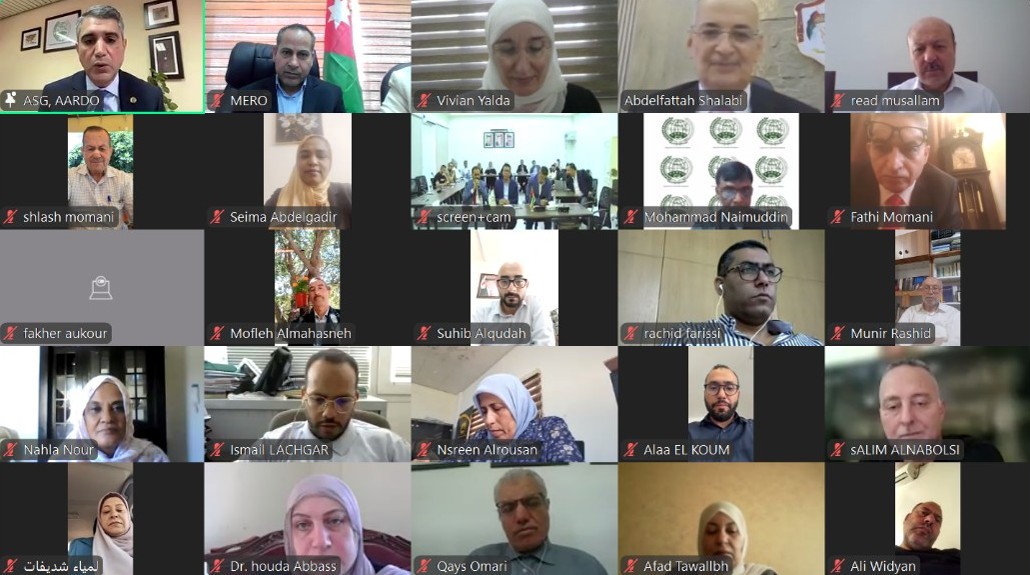
This Online international training program was attended by one hundred and eighty-seven (187) participants from 9 AARDO members countries, namely Egypt, Iraq, Jordan, Lebanon, Morocco, Oman, Sudan, Syria and Tunisia.
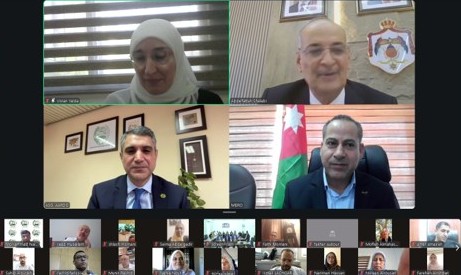
The opening session of the workshop was held on 6 July 2026, which was attended and addressed by several dignitaries including: Mr. Rami Qtaishat, Assistant Secretary General, AARDO, Dr. Abdelfattah M. Q. Al-Shalabi, Director General, Jordan Cooperative Corporation (JCC), Jordan and Mr. Amjed Al-Mahiraat, Honorary Regional Representative of AARDO for Middle East Region, Amman, Jordan.
In his address, Mr. Rami Qtaishat, Assistant Secretary General of AARDO, welcomed the participants and guests to the training program and expressed his thanks and gratefulness for the Ministry of Local Administration, Government of the Hashemite Kingdom of Jordan for patronizing the program and extending support for AARDO’s organizational and technical activities. Similarly, he welcomed and thanked Dr. Abdelfattah M. Q. Al-Shalabi, Director General, Jordan Cooperative Corporation (JCC), Jordan for jointly organizing this online training program with AARDO and sharing invaluable experiences of experts from JCC with AARDO member countries.
He further stated that this program was being organized at a critical moment in global development, where economic, social, and environmental challenges were demanding innovative solutions rooted in collaboration and solidarity. In this context, it was underlined that cooperatives serve as a powerful tool to achieve the Sustainable Goals (SDGs) - particularly in combating poverty, empowering rural women, ensuring food security, and building resilient communities. He highlighted that aligned with AARDO’s strategic framework, this initiative was focused on enhancing good governance, expanding regional and international partnerships, empowering youth and women, and leveraging innovation to drive sustainable agricultural and rural development across Africa and Asia.
He underscored that besides being a financial mechanism, cooperative action acts as a bridge for partnership and social justice. Given the expertise of the participating scientists and professionals, this workshop carried the responsibility of generating innovative, actionable insights to advance global development efforts. Concluding his address, he extended his heartfelt gratitude to all international participants, the experts from the Jordan Cooperative Corporation (JCC), the AARDO Regional Representative for the Middle East, program coordinator and the dedicated team members who worked to ensure the success of this event.
In his address, Dr. Abdelfattah M. Q. Al-Shalabi, Director General, Jordan Cooperative Corporation (JCC), Jordan welcomed all the international participants to the online training program, emphasizing that distance does not hinder the exchange of knowledge and expertise. He expressed his gratitude to the African-Asian Rural Development Organization (AARDO) and its Middle East Regional Office for the partnership with JCC, highlighting that strategic partnerships play crucial role in promoting rural development, strengthening capacity building, and fostering sustainable cooperative movements across member countries.
He mentioned that this training program would be focusing on three fundamental pillars vital to building a thriving cooperative sector, i.e. (i) Good Governance - ensures transparency and accountability; (ii) Active Partnerships - foster knowledge sharing; and (iii) Empowerment - drives innovation and efficiency within local communities. As a joint initiative between the JCC and AARDO, this program was offering a platform for dialogue, sharing successful cooperative experiences, and showcasing Jordan’s trajectory in the sector. Looking forward, he expressed a strong desire to expand joint cooperation in capacity building, sustainable development goals, particularly youth and women empowerment and to organize future direct and virtual forums uniting Asian and African nations. Concluding his address, he extended his appreciation to AARDO, its regional office, experts, and participants for their contributions for a successful and impactful program.
In his address, Mr. Amjed AL- Mherat, Regional Representative of AARDO for the Middle East Regional Office extended warm greetings to all participants. He also expressed his sincere appreciation to the leadership and strategic partners, including the Ministry of Local Administration, the Jordan Cooperative Corporation, and AARDO, for their gracious patronage, hosting, and tireless efforts in bringing this vital program to fruition.
He emphasized that the cooperative movement is both an economic tool and a core developmental philosophy and highlighted its crucial role in addressing modern socio-economic challenges and building resilient communities. He hoped that this training program would serve as a dynamic platform for exchanging expertise and practical success stories across Asia and Africa. He encouraged participants to translate these rich insights into impactful, applicable projects within their respective countries.
During the technical sessions of the training program, eminent experts/resource persons from the Jordan Cooperative Corporation (JCC), covered pertinent themes such as, An Overview of Cooperatives in Jordan; The Jordanian Cooperative Corporation: Its Role in Regulating the Cooperative Movement in Jordan; The Concept of Cooperative Work: Advantages, Principles, and Values of Cooperative Action; Agricultural Cooperatives in Jordan and Their Role in Rural Development; Women's Cooperatives (Economic, Social, Political, and Cultural Empowerment); Enhancing Partnerships between Governments and Cooperatives: The Required Roles of Both Parties to Promote and Strengthen the Cooperative Movement; and Cooperative Management and Governance. The training program successfully achieved its objective and significantly boosted participants' knowledge in the domain of Cooperative Action: Governance, Partnerships, and Empowerment.
The program successfully concluded on 7 July 2026, with closing remarks by Mr. Mohammad Naimuddin, Program Coordinator from AARDO and Ms Vivian Yalda, program coordinator from JCC. On this occasion, several participants gave their feedback and expressed gratitude to AARDO, its Regional Office in Amman, and the Jordan Cooperative Corporation (JCC), Jordan for organizing the program.
International Training Programme on
“Techno-Social India: India's Developmental Landscape across IT Industry, Healthcare, Agriculture, Consumer Markets, and Socio-Cultural Dynamics”,
Indian Institute of Technology Madras (IIT Madras), Chennai, India
14–23 June 2026
The African-Asian Rural Development Organization (AARDO), in collaboration with the Indian Institute of Technology Madras (IIT Madras), successfully organized the above International Training Programme at IIT Madras, Chennai, India, from 14–23 June 2026. The programme has familiarized participants with India's development experience by showcasing its advancements in information technology, healthcare, agriculture, entrepreneurship, consumer markets, and socio-cultural development. It has also provided a platform for sharing innovative approaches and best practices that could be adapted to promote sustainable and inclusive development in AARDO Member Countries.
The training programme was attended by twelve (12) senior government officials from twelve (12) AARDO Member Countries, namely Bangladesh, Eswatini, Gambia, Ghana, Jordan, Kenya, Liberia, Malaysia, Mauritius, Morocco, Oman, and Tunisia. The participants represented ministries and government organizations responsible for agriculture, rural development, local governance, public administration, information technology, social welfare, food safety, and economic development.
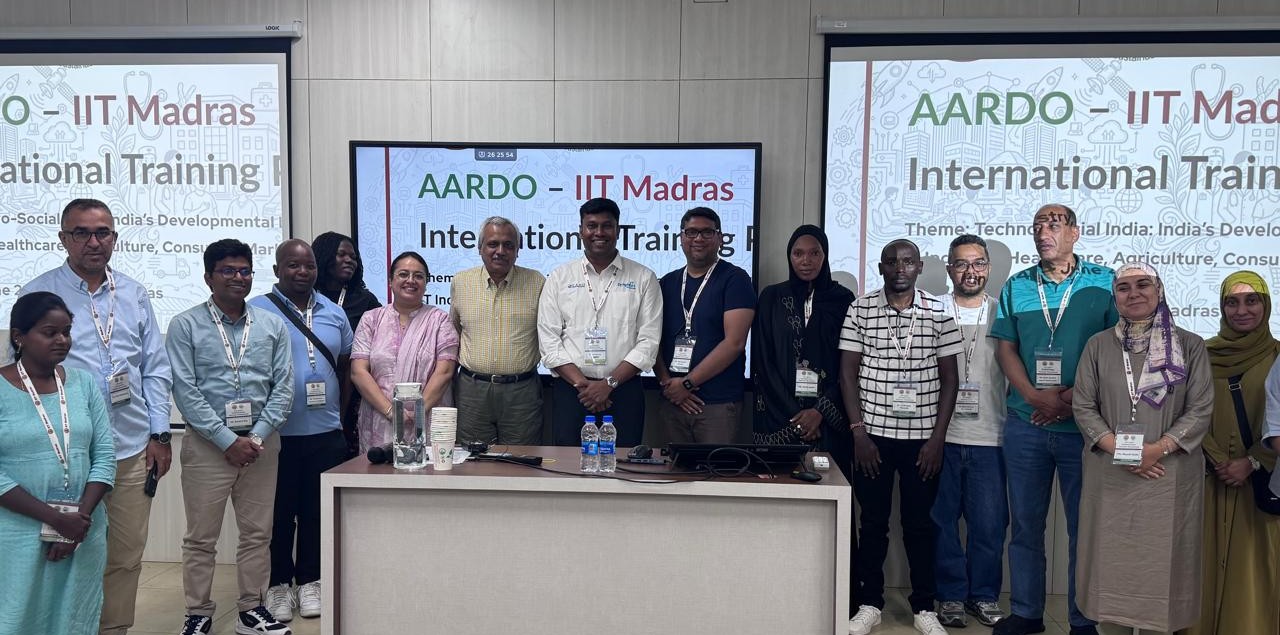
The programme was inaugurated on 15 June 2026 at the Department of Management Studies, IIT Madras. The inaugural session was addressed by Prof. Preeti Aghalayam, Dean, Office of Global Engagement (OGE), IIT Madras, who emphasized the Institute's commitment to international collaboration, knowledge exchange, and capacity building. Prof. Arun Kumar Gopalaswamy, Department of Management Studies, delivered the Welcome Address, highlighting the importance of interdisciplinary learning and innovation in addressing present-day development challenges. Prof. Arshinder Kaur presented an overview of the programme, outlining its objectives, structure, and expected outcomes. The inaugural session concluded with participant introductions and a group photograph.
During the programme, participants attended lectures, expert presentations, and interactive discussions covering entrepreneurship and MSMEs, digital agriculture, artificial intelligence and emerging technologies, innovation ecosystems, healthcare systems, retail and consumer markets, sustainable development, and India's socio-cultural heritage. The resource persons highlighted India's policy initiatives, technological advancements, and successful development models that have contributed to economic growth, innovation, and rural transformation.
To complement the academic sessions, participants undertook several industrial and institutional visits to gain practical exposure to India's development ecosystem. They visited Tata Consultancy Services (TCS) to understand digital transformation and AI applications; Fresh Miller's and Chennai Retail Markets to study food processing, agricultural value chains, and organized retail; Express Avenue Mall to observe modern retail management practices; and Aravind Eye Hospital and Mehta Hospital to learn about innovative and affordable healthcare delivery systems. Visits to the IIT Madras Heritage Centre, Research Park, and Centre for Innovation equally provided valuable insights into research excellence, technology commercialization, start-up incubation, and industry-academia collaboration.
The Valedictory Ceremony was held on 20 June 2026, during which participants shared their experiences and highly appreciated the excellent blend of academic sessions, industry exposure, and institutional visits. Certificates of Participation were awarded to all participants upon successful completion of the programme.
The training programme successfully strengthened the participants' understanding of India's technology-driven development model while promoting knowledge exchange and cooperation among AARDO Member Countries. It further reinforced the longstanding partnership between AARDO and IIT Madras in advancing human resource development, innovation, and sustainable rural development through international capacity-building initiatives.
International Policy Roundtable on “Local Governance and Rural Development Advancing Local Governance and Rural Development for an Inclusive and Prosperous Rural Future Monrovia, Liberia
8–12 June 2026
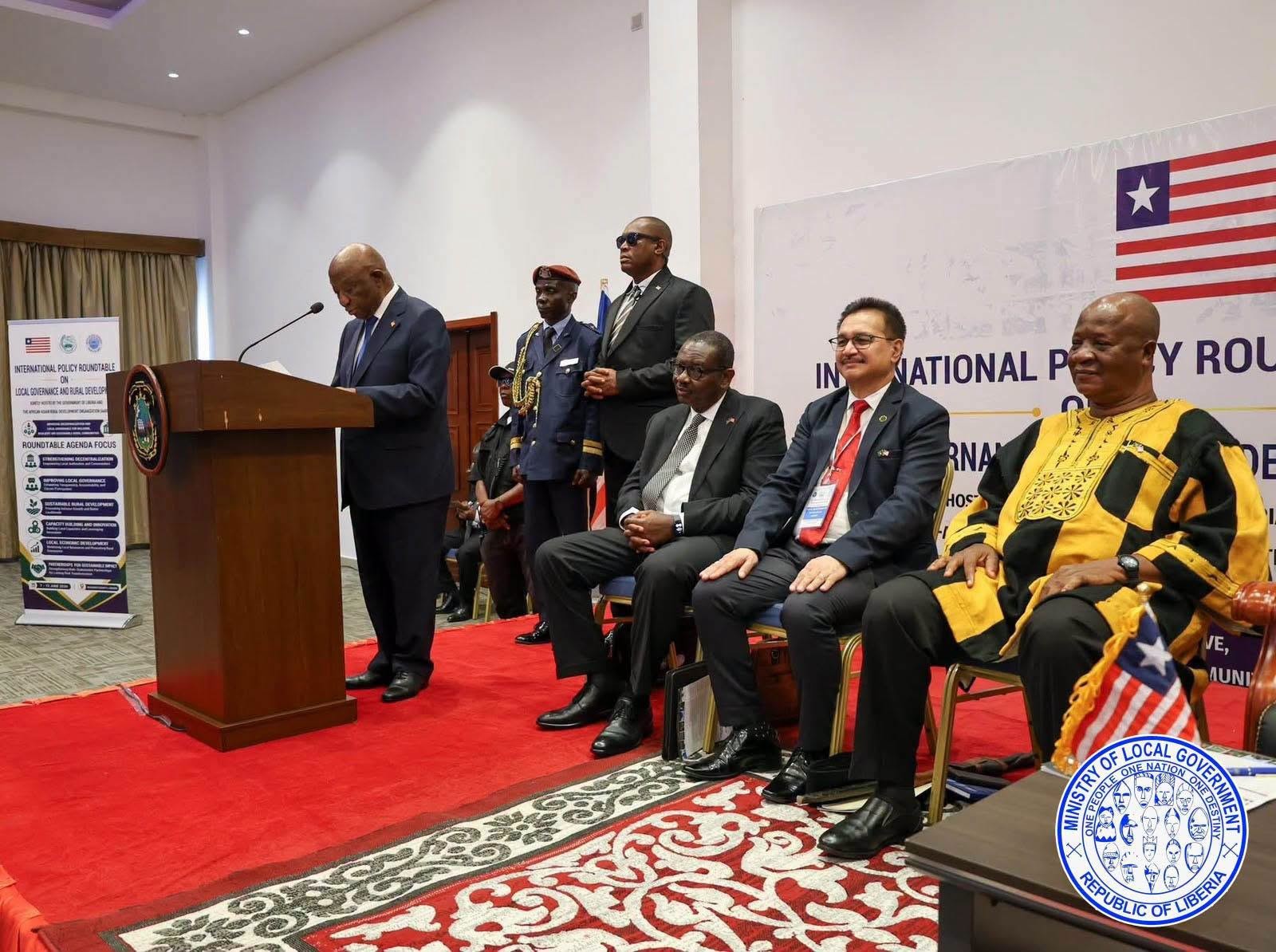
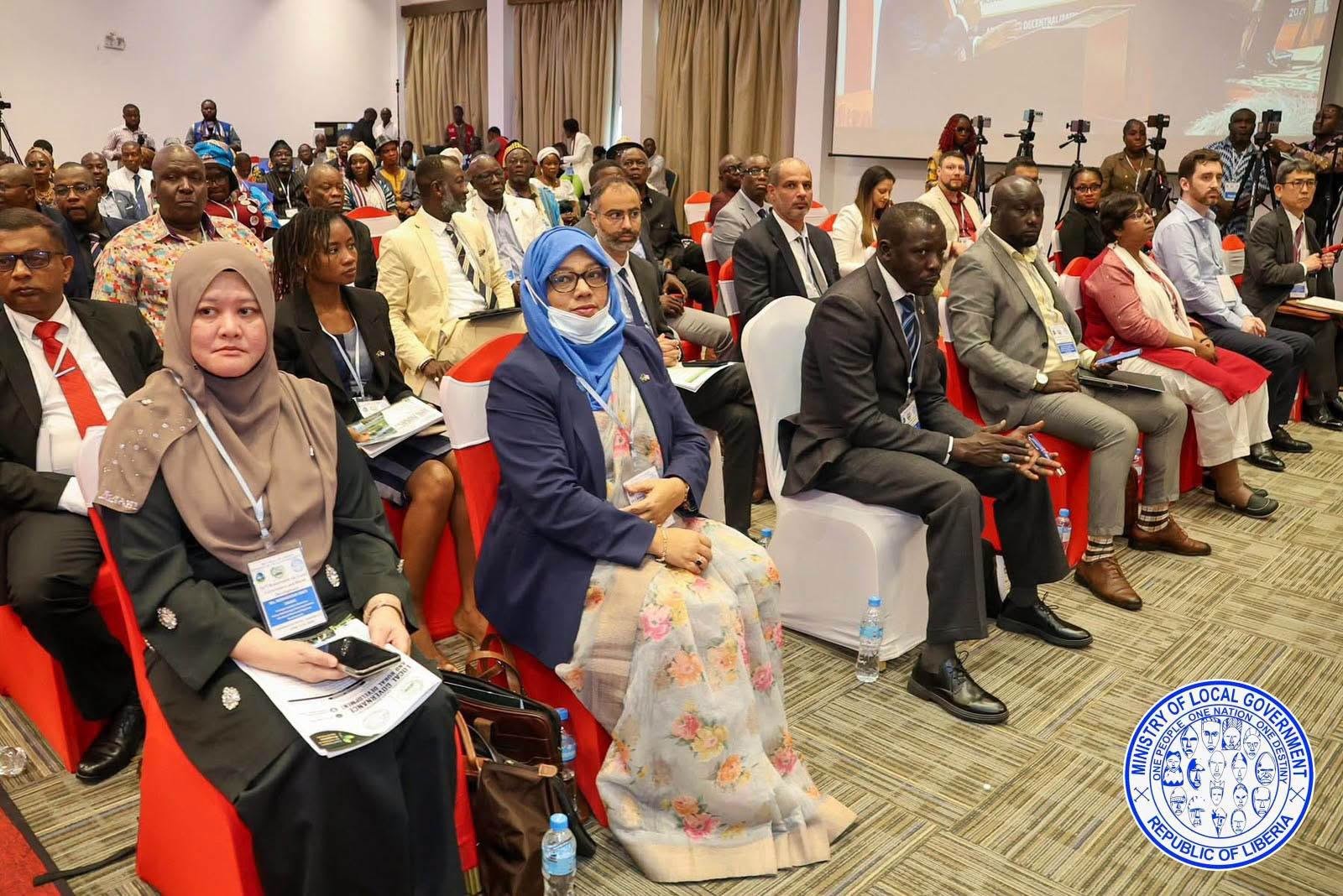
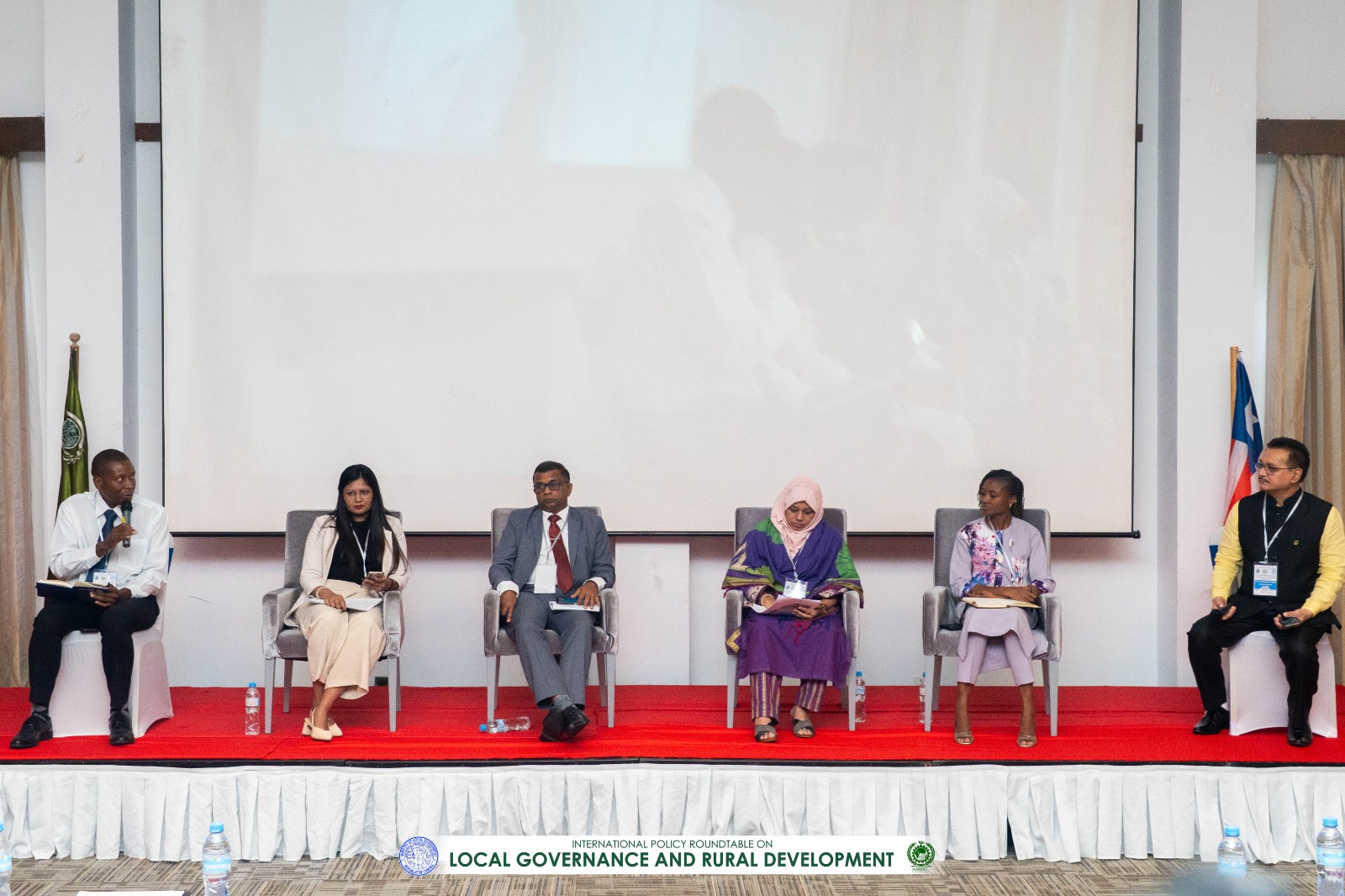
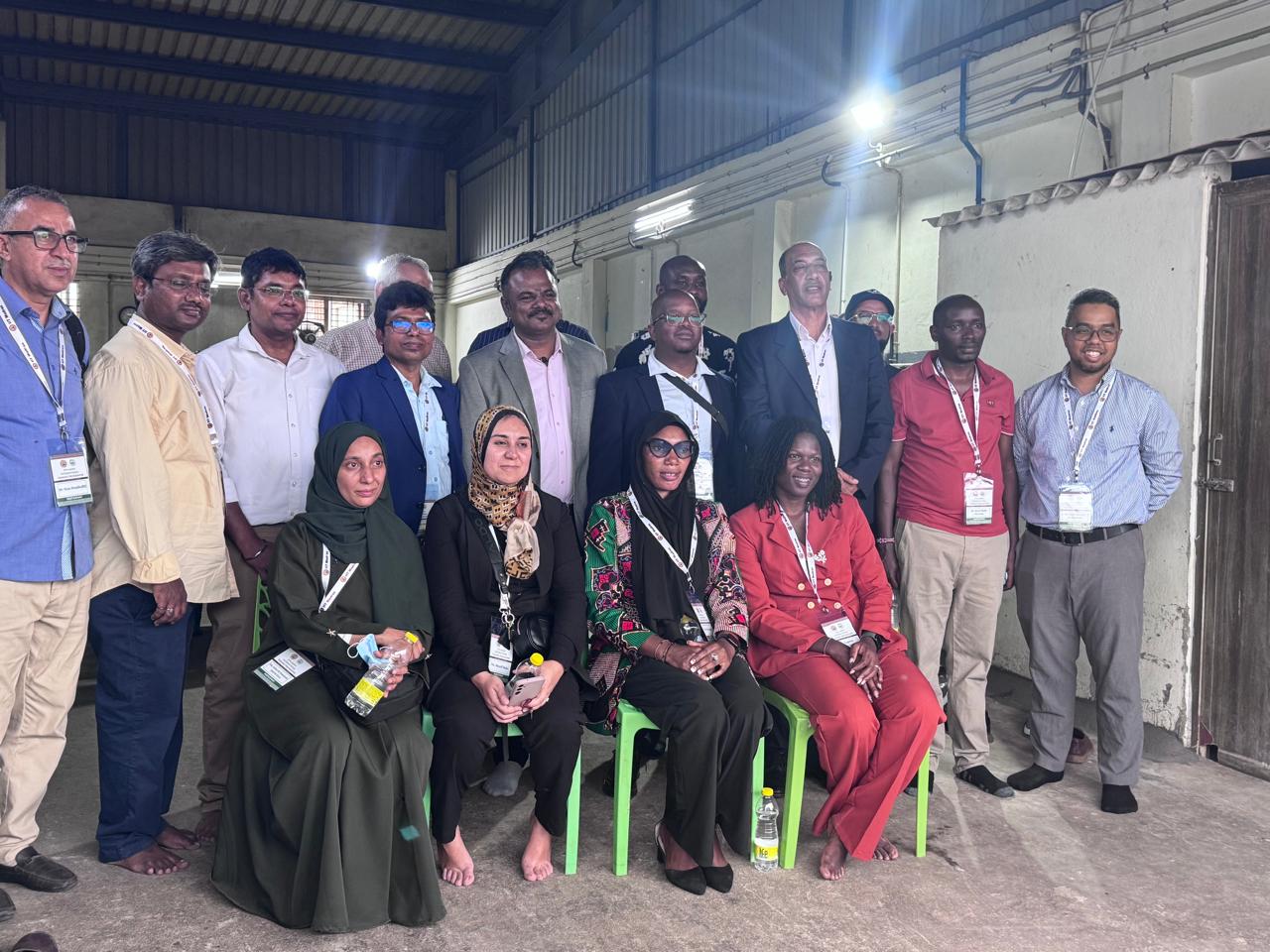
The African-Asian Rural Development Organization (AARDO), in collaboration with the Ministry of Local Government, Republic of Liberia, successfully organized the International Policy Roundtable on Local Governance and Rural Development under the theme "Advancing Local Governance and Rural Development for an Inclusive and Prosperous Rural Future" from 8 to 12 June 2026 at the Farmington Hotel, Margibi County, Liberia.
The Roundtable brought together ministers, parliamentarians, policymakers, local government authorities, development partners, academics, technical experts, and delegates from AARDO Member Countries to deliberate on policy approaches and practical strategies for strengthening local governance and advancing inclusive rural transformation. The Roundtable convened eleven (11) delegates from Bangladesh, Burkina Faso, Gambia, Ghana, Kenya, Malaysia, Mauritius, Morocco, Oman, Sri Lanka, and Zambia. The forum featured extensive expert contributions, including seven resource persons who attended in person, representing the Institute for the Development of Agricultural Cooperation in Asia (IDACA, Japan), EmpBindi International (India), the Gambia National Assembly, Stone Soup Tech (United States & Romania), and the Institute of Local Government Studies (Ghana). Additionally, three virtual resource persons each participated from the Centre for Rural Development and Technology at the Indian Institute of Technology (IIT Delhi, India), Yacooba Labs (Portugal), and the Cooperative Institute of Malaysia (IKMa, Malaysia). The event was further distinguished by the presence of His Excellency the Secretary General, AARDO and two AARDO officials.
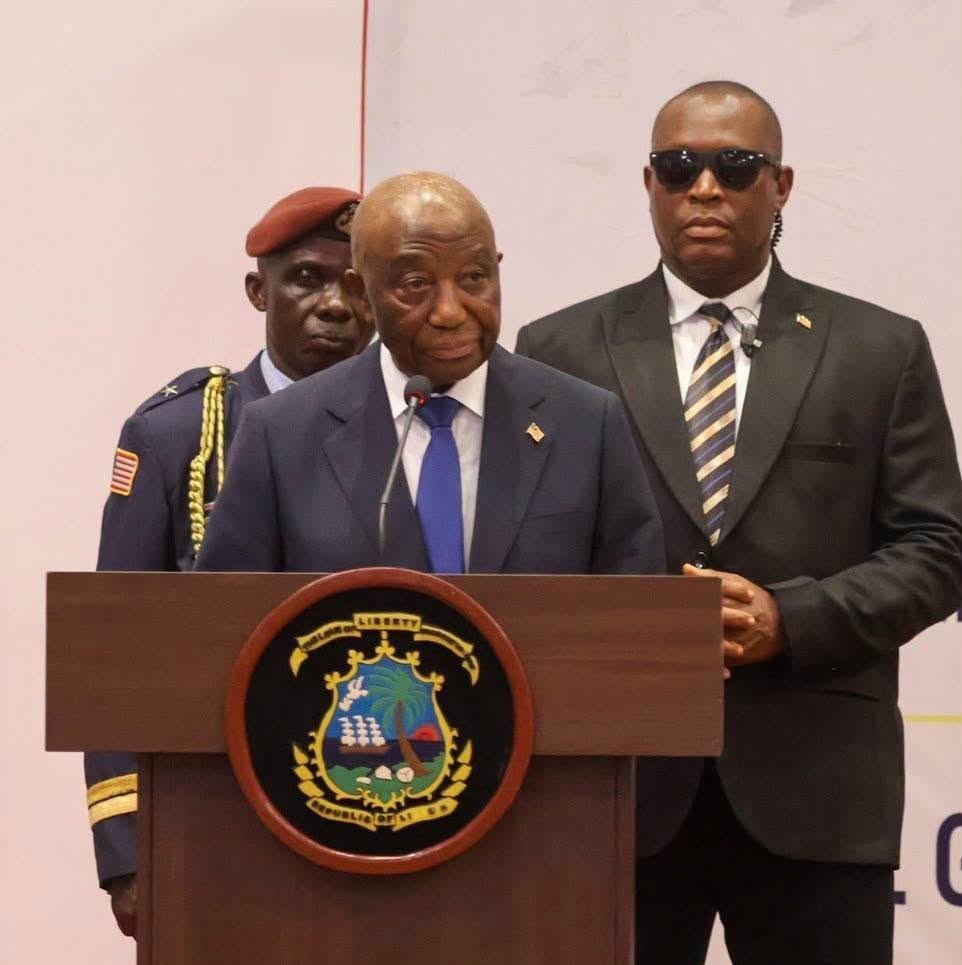
The Roundtable was inaugurated by H.E. Joseph Nyuma Boakai, Sr., President of the Republic of Liberia, in the presence of H.E. Hon. Francis Sakila Nyumalin, Sr., Minister of Local Government; H.E. Dr. Manoj Nardeosingh, Secretary General of AARDO; H.E. Sara Beysolow Nyanti, Minister of Foreign Affairs and Dean of the Cabinet; Hon. Cllr. N. Oswald Tweh, Sr., Minister of Justice; Madam Christine N. Umutoni, United Nations Resident Coordinator in Liberia; H.E. Beng'yela Augustine Gang, Ambassador of the Republic of Cameroon and Dean of the Diplomatic Corps; representatives of development partners and international organizations; members of the Diplomatic Corps; senior government officials; and delegates from AARDO Member Countries.
In his keynote address, H.E. President Joseph Nyuma Boakai, Sr. emphasized that strong local governance, empowered communities, and effective decentralization are fundamental to achieving Liberia's ARREST Agenda for Inclusive Development (AAID) and ensuring that development reaches every county and community. Welcoming the delegates, Hon. Francis Sakila Nyumalin, Sr., Minister of Local Government, highlighted the importance of international cooperation and knowledge sharing in advancing inclusive rural development, while H.E. Dr. Manoj Nardeosingh, Secretary General of AARDO, reaffirmed AARDO's commitment to promoting South-South and Triangular Cooperation, institutional capacity building, innovation, and policy dialogue for sustainable rural transformation.
The Roundtable has twelve (12) plenary Sessions and various technical group discussions comprised a series of thematic sessions, keynote presentations, expert lectures, panel discussions, and interactive dialogues covering decentralization and local governance reforms, fiscal decentralization, institutional strengthening, agriculture-led rural transformation, local economic development, digital governance and Artificial Intelligence, climate resilience, sustainable financing, women and youth empowerment, rural entrepreneurship, participatory planning, and citizen engagement. International experts and national practitioners shared successful experiences, innovative governance models, and policy interventions that have contributed to strengthening local institutions and improving rural livelihoods in their respective countries.
Special sessions focused on Liberia's ARREST Agenda for Inclusive Development (AAID) and the implementation of the Local Government Act, 2018, highlighting ongoing reforms aimed at strengthening decentralization, improving service delivery, enhancing fiscal governance, empowering local authorities, and promoting inclusive community participation. Participants examined how successful experiences from AARDO Member Countries could be adapted to support Liberia's rural transformation agenda while fostering greater regional cooperation and institutional learning.
The Roundtable also featured interactive group discussions, during which participants deliberated on practical strategies for strengthening local governance systems, enhancing institutional capacity, promoting climate-smart agriculture, accelerating digital inclusion, improving rural infrastructure, and creating sustainable livelihood opportunities for women and youth. The recommendations of the three thematic working groups were presented during the plenary session and formed the basis of the Monrovia Declaration on Inclusive Rural transformation, which was unanimously adopted by the participants as the principal outcome of the Roundtable.
As part of the programme, delegates undertook a technical field visit to the Kakata County Service Centre and Kpatawee Waterfall in Bong County, where they observed Liberia's decentralization initiatives, local governance practices, public service delivery mechanisms, and opportunities for community-based rural development and eco-tourism. The visit provided participants with practical insights into the country's ongoing governance reforms and rural development initiatives.
The International Policy Roundtable on Local Governance and Rural Development concluded with a Closing Ceremony graced by the Political Adviser to Hon. Jeremiah Kpan Koung, Sr., Vice-President of the Republic of Liberia, representing the Vice-President, alongside H.E. Dr. Manoj Nardeosingh, Secretary General of AARDO, Hon. Francis Sakila Nyumalin, Sr., Minister of Local Government, senior government officials, members of the Diplomatic Corps, representatives of development partners and international organizations, resource persons, and international delegates. In their closing remarks, the dignitaries commended the quality of the deliberations and emphasized that the recommendations and the Monrovia Declaration provide a practical roadmap for strengthening decentralization, enhancing local governance, building institutional capacity, and promoting inclusive and sustainable rural development. They reaffirmed the shared commitment of the Government of Liberia and AARDO to advancing the ARREST Agenda for Inclusive Development (AAID) through continued policy dialogue, technical cooperation, capacity building, knowledge exchange, and South-South and Triangular Cooperation. During the ceremony, Certificates of Participation were presented to all delegates, resource persons, and experts in recognition of their valuable contributions and active participation. Participants expressed their sincere appreciation to the Government of the Republic of Liberia, particularly the Ministry of Local Government, and AARDO for the excellent organization, warm hospitality, and successful conduct of the Roundtable.
The successful organization of the Roundtable further strengthened the partnership between AARDO and the Government of Liberia, reaffirming their shared commitment to advancing effective local governance, strengthening institutions, promoting sustainable rural transformation, and fostering South-South and Triangular Cooperation for the benefit of rural communities across AARDO Member Countries.
AARDO-EICA Online Regional Workshop on "Role of Women in Food Security: Their Contribution in Agrifood Systems" (Arabic language)
8-11 June 2026
Food security is a fundamental pillar of sustainable development, ensuring the availability of sufficient and safe food for all members of society. Women play an indispensable role in achieving food security through their active participation in agrifood systems. They are involved in every stage of the food value chain, from planting and harvesting to processing, marketing, and managing household nutrition. Their traditional knowledge, innovative practices, and community leadership contribute to advancing sustainable agricultural development and bolstering rural economies.
Keeping in view the importance of the subject, AARDO, in collaboration with the Egyptian International Centre for Agriculture (EICA), organized an online regional workshop in Arabic on “Role of Women in Food Security: Their Contribution in Agrifood Systems” from 8-11 June 2026. The workshop aimed at enhancing participants’ knowledge on the concepts of food security and food systems and role of women in food production, processing, rationalizing consumption, reducing food waste and healthy consumption; and its marketing and sustainable food systems.
This online regional workshop attended by ninety-five (95) participants from 9 AARDO members countries, namely Egypt, Iraq, Jordan, Morocco, Oman, Sudan, Syria, Tunisia and Yemen.
The opening session of the workshop was held on 8 June 2026, which started with welcoming remarks by the Honorary Regional Representative of AARDO Mr. Mohammad Hassan Rashwan. Distinguished speakers at the inaugural session included Mr. Rami Qtaishat, Assistant Secretary General of the African-Asian Rural Development Organization (AARDO), Ms. Ameerah Taj El-din, Director General of International Relations, Ministry of Social Solidarity, Government of the Arab Republic of Egypt and Eng. Soheir El-Hefny, Director General of the Egyptian International Centre for Agriculture (EICA).
In his address, Mr. Rami Qtaishat, Assistant Secretary General of AARDO, welcomed the participants and guests to the workshop, which is a testimony to the long-standing strategic partnership between AARDO and EICA, to discuss and devise, as experts and policymakers, practical strategies that position the economic and knowledge-based empowerment of rural women as an essential driver for the transition toward more resilient and sustainable food systems. He mentioned that international data and reports confirm that rural women are the 'vital backbone' of food production, from sowing seeds and harvesting crops to ensuring household nutrition. Yet, statistics reveal a clear gap in women's access to resources, financing, and modern technology. Field experience has demonstrated that bridging this gap not only boosts household income but also increases overall agricultural output and diversifies the community's food supply.
He further mentioned that perhaps the most striking evidence of the impact of female leadership in rural areas is found in women-led cooperative initiatives across the Arab region is the 'dairy processing production groups' in Yemen. Through training and capacity building in food safety, women transformed previously unused surplus milk into organized production ventures for yogurt, cheese, and other products. Their success went beyond achieving household self-sufficiency, they established marketing and management groups that drove income increases exceeding 40% and opened new local markets, demonstrating in practice that investing in women's capabilities yields high returns.
He looked forward to the outcomes of this workshop through active interaction and the exchange of knowledge and experiences, resulting in practical recommendations to bring about the actual upliftment of rural communities. Concluding his address, he reiterated his gratitude to the government of the Arab Republic of Egypt, the Ministry of Agriculture, the Ministry of Social Solidarity, the Egyptian International Centre for Agriculture (EICA), the experts, and all participating countries.
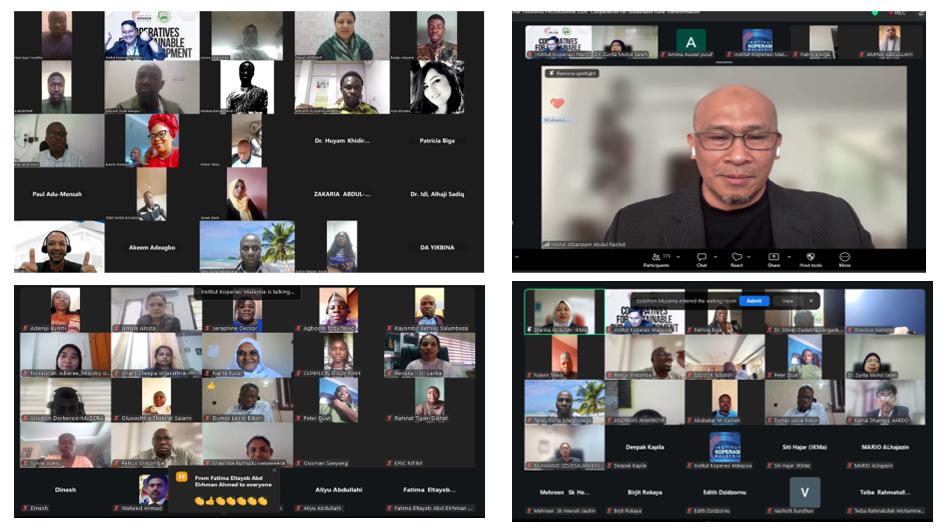
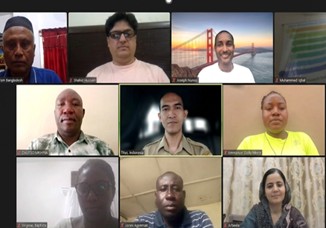
In her address, Ms. Ameerah Taj El-Din extended a warm welcome to the participants, expressing appreciation for AARDO, its Regional Office in Cairo, and the EICA for their continuous efforts in organizing series of the regional and international workshops. She emphasized the importance of such initiatives in strengthening institutional capacities, promoting skill development, and encouraging the exchange of knowledge and best practices among member states. Dr. Ameerah stressed on the importance of food security describing it a fundamental pillar of achieving sustainable development, where women play an indispensable role in this regard through their active participation in agricultural food systems. She extended her wishes for a successful and fruitful workshop. In her address, Eng. Soheir El-Hefny, Director General of the Egyptian International Centre for Agriculture (EICA) thanked AARDO for collaborating with the centre for organizing HRD programs and reiterated centre’s continued cooperation with AARDO. She looked forward for a successful workshop benefitting from the valuable insights shared by the distinguished experts. The opening session concluded with a vote of thanks presented by Mr. Mohammad Naimuddin, program coordinator, AARDO. The inaugural session concluded with a group photo session (screenshots).
During the technical sessions of the workshop, eminent experts/resource persons from the Egyptian International Centre for Agriculture (EICA), covered pertinent issues such as, Introduction to Food Security and Food Systems; The Role of Women in Achieving Food Security through Food Production; The Role of Women in Food Processing, Preparation, and Proper Food Consumption; and The Role of Women in Food Marketing and Sustainable Food Systems. The workshop successfully achieved its objective and significantly boosted participants' knowledge in the domain of food security and women’s role in its achievement.
The workshop successfully concluded on 11 June 2026, with closing remarks by Honorary Regional Representative of AARDO Mr. Mohamed Hassan Rashwan, and Mr. Mohammad Naimuddin, Translation Officer (Arabic) and Program Coordinator from AARDO. On this occasion, several participants gave their feedback and expressed gratitude to AARDO, its Regional Office in Cairo, and the Egyptian International Centre for Agriculture (EICA), Egypt for organizing the workshop.
 | AARDO and the College of Agriculture and Life Sciences (CALS), Seoul National University, Signed Memorandum of Understanding |
22 June 2026
The African-Asian Rural Development Organization (AARDO) and the College of Agriculture and Life Sciences (CALS), Seoul National University (SNU), Republic of Korea, signed a Memorandum of Understanding (MoU) to establish a strategic partnership for promoting agricultural education, research, innovation, capacity building, and sustainable rural development. The MoU was signed by H.E. Dr. Manoj Nardeosingh, Secretary General, AARDO, and Prof. Byeong-Cheorl Kang, Dean, College of Agriculture and Life Sciences (CALS), Seoul National University, reaffirming their shared commitment to advancing scientific collaboration and human resource development for the benefit of AARDO member countries.
The College of Agriculture and Life Sciences (CALS), Seoul National University, enjoys an international reputation as one of Asia's leading institutions in agricultural education, research, and innovation. Recognized for its excellence in agricultural sciences, biotechnology, smart agriculture, food systems, climate-resilient agriculture, and sustainable rural development, CALS has produced globally acclaimed research and highly skilled professionals who have significantly contributed to agricultural transformation and food security worldwide. The partnership with CALS marks another important milestone in AARDO's efforts to strengthen international academic collaboration and facilitate the transfer of advanced knowledge and technologies to its member countries.
The Memorandum of Understanding has established a comprehensive framework for long-term collaboration between AARDO and CALS across a broad range of strategic areas. It emphasizes Capacity Building and Human Resource Development through specialized training programmes, workshops, seminars, expert lectures, study visits, and exchange of faculty, researchers, scientists, and professionals. Under Research, Innovation and Technology Transfer, the two institutions can undertake collaborative research, promote the development and dissemination of affordable and appropriate technologies, and encourage innovation to address emerging challenges in agriculture and rural development. The MoU also provides for dissemination of knowledge and technologies pertaining to Smart Agriculture and Sustainable Food Systems, focusing on precision agriculture, digital farming, artificial intelligence, biotechnology, climate-smart agriculture, food security, and sustainable natural resource management. Under Knowledge Management and Expert Networking, AARDO and CALS will promote the exchange of publications, technical information, research outputs, and best practices, while establishing a Databank of Experts to facilitate technical cooperation, advisory services, collaborative research, and expert missions for the benefit of AARDO member countries. The MoU further encourages Joint Projects, Policy Dialogue and Institutional Networking through collaborative pilot projects, international conferences, policy consultations, academic partnerships, and technology demonstrations to strengthen institutional linkages and promote South-South and Triangular Cooperation for sustainable agricultural and rural development across Africa and Asia.
A significant feature of the partnership is the establishment of a framework for Master's and Ph.D. scholarship programmes at CALS for qualified candidates from AARDO member countries. The scholarships will provide access to world-class academic programmes, internationally renowned faculty, advanced laboratories, and state-of-the-art research facilities. Scholars will gain exposure to cutting-edge technologies and research in precision agriculture, biotechnology, genomics, digital agriculture, food systems, climate adaptation, and sustainable rural development. This generous offer is expected to strengthen the technical and professional capacities of young researchers, academicians, and government officials, enabling them to contribute effectively to agricultural modernization, food security, innovation, and evidence-based policymaking in their respective countries. It will also foster long-term academic linkages between AARDO member countries and Seoul National University, creating opportunities for future collaborative research and institutional partnerships.
The collaboration reflects AARDO's continued commitment to promoting excellence in agricultural education, research, and innovation under its Strategic Framework 2021–2030. By leveraging the academic excellence and global expertise of the College of Agriculture and Life Sciences, Seoul National University, the partnership is expected to strengthen human capital, promote knowledge exchange, facilitate technology transfer, and contribute to sustainable agricultural and rural development across Africa and Asia through enhanced South-South and Triangular Cooperation.
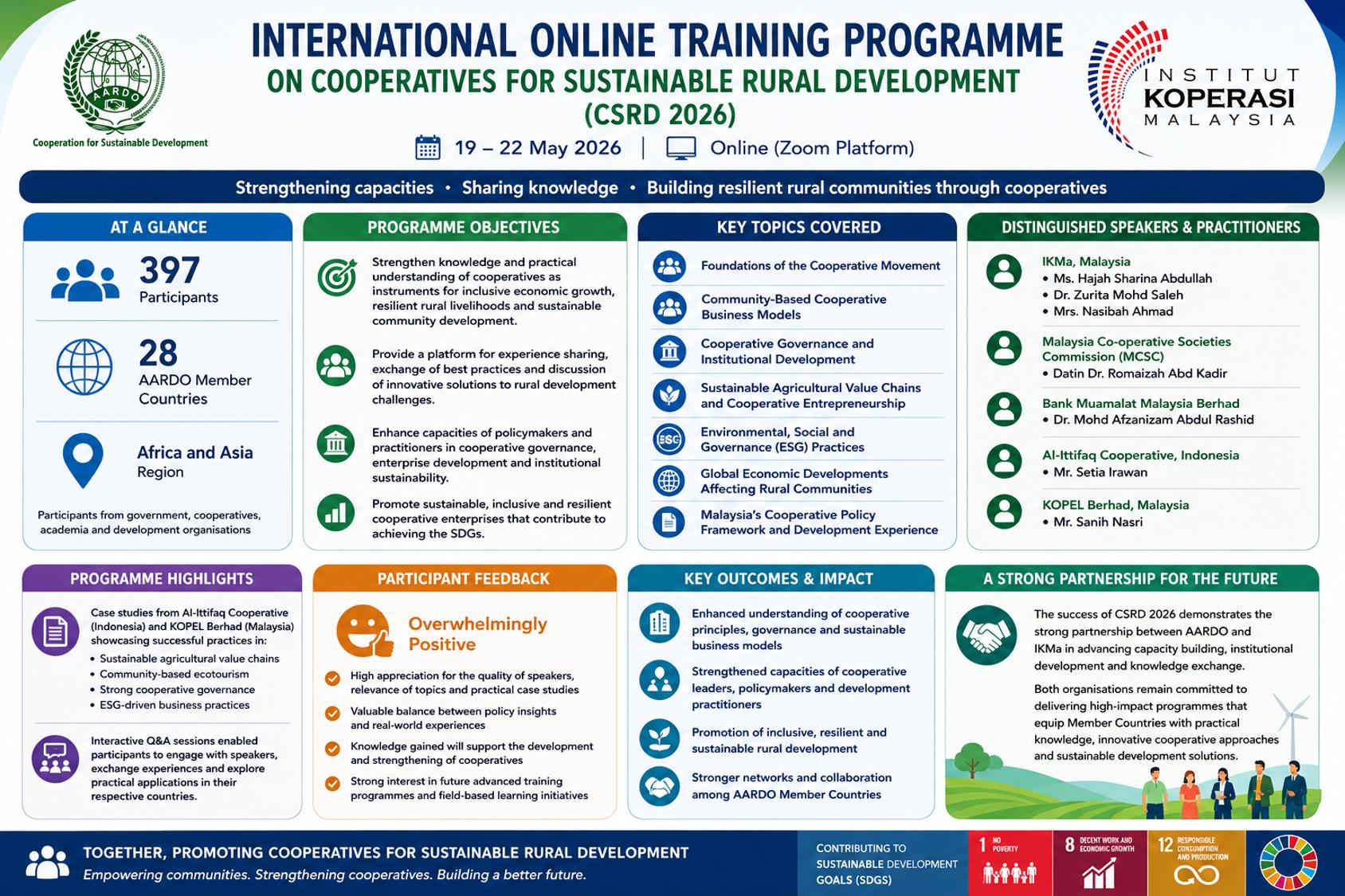
AARDO and IKMa Successfully Organize International Online Training Programme on Cooperatives for Sustainable Rural Development
19–22 May 2026
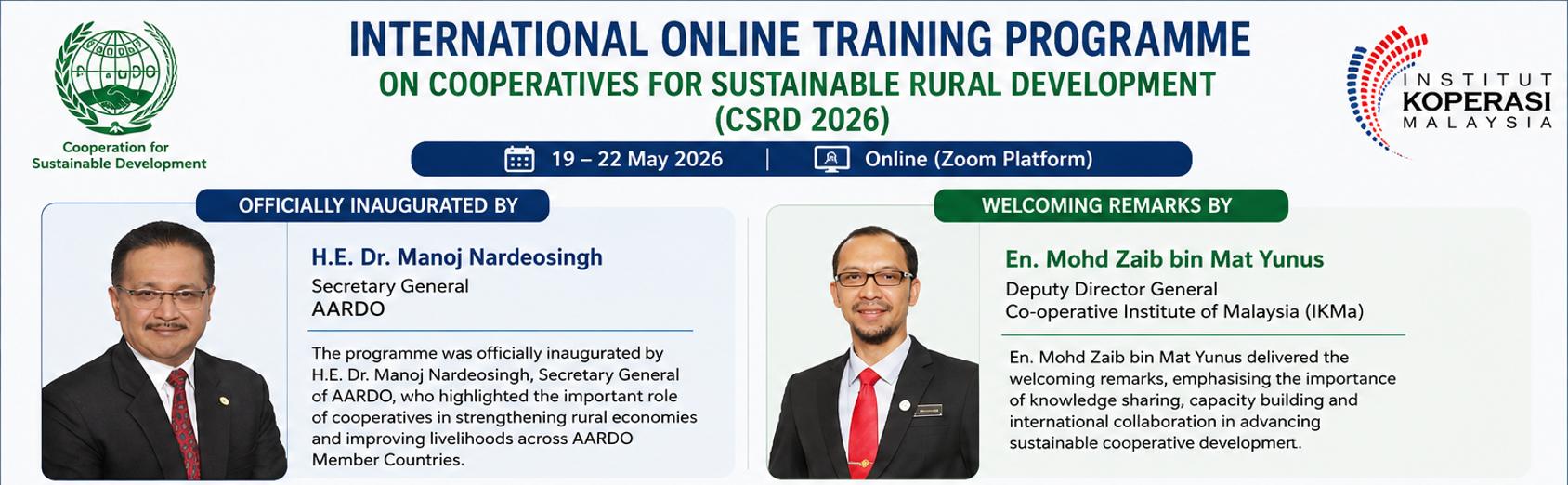
The African-Asian Rural Development Organization (AARDO), in collaboration with the Co-operative Institute of Malaysia (IKMa), successfully organized the International Online Training Programme on "Cooperatives for Sustainable Rural Development (CSRD 2026)" from 19–22 May 2026 through a virtual platform. The four-day capacity-building programme brought together 397 participants from 28 AARDO Member Countries, including representatives from government ministries, cooperative development agencies, financial institutions, academia, research organizations, and rural development institutions. The programme served as an important platform for knowledge exchange, capacity building, and sharing best practices on leveraging cooperatives for inclusive and sustainable rural development.
The programme was inaugurated by H.E. Dr. Manoj Nardeosingh, Secretary General, AARDO. In his inaugural address, the Secretary General highlighted the pivotal role of cooperatives as people-centred institutions in promoting inclusive rural transformation, employment generation, food security, financial inclusion, and the empowerment of women and youth. He emphasized the need to strengthen cooperative governance, embrace digital transformation, promote climate-smart agriculture, and enhance South-South cooperation to address emerging rural development challenges. Referring to AARDO's initiatives during the United Nations International Year of Cooperatives (IYC-2025), he reaffirmed AARDO's commitment to strengthening the capacities of its Member Countries through strategic partnerships, technical cooperation, and knowledge-sharing initiatives.
Welcome remarks were delivered by Mr. Mohd Zaib Mat Yunus, Deputy Director General, IKMa, In his address, Mr. Mohd Zaib Mat Yunus highlighted Malaysia's rich experience in cooperative development and underscored IKMa's longstanding role in building professional capacities, strengthening cooperative governance, and nurturing innovative and sustainable cooperative enterprises. He emphasized that continuous learning, innovation, and international collaboration are essential for enabling cooperatives to respond effectively to evolving socio-economic challenges and contribute meaningfully to rural prosperity. He also reaffirmed IKMa's commitment to deepening its partnership with AARDO in advancing cooperative education and capacity-building across Africa and Asia.
The technical sessions were delivered by distinguished experts from IKMa, the Malaysia Co-operative Societies Commission (MCSC), Bank Muamalat Malaysia Berhad, Al-Ittifaq Cooperative (Indonesia), and KOPEL Berhad (Malaysia). The sessions covered cooperative governance, institutional development, sustainable agricultural value chains, Environmental, Social and Governance (ESG) practices, digital transformation, and innovative cooperative business models. Practical case studies demonstrated how cooperatives have successfully strengthened market access, promoted community-based enterprises, enhanced rural livelihoods, and contributed to sustainable socio-economic development. Interactive discussions enabled participants to exchange experiences and explore the adaptation of successful cooperative models within their respective countries.
The programme concluded with positive feedback from participants, who appreciated the quality of the technical sessions, practical case studies, and opportunities for international networking and peer learning. The successful organization of the programme further strengthened the longstanding partnership between AARDO and IKMa and reaffirmed their shared commitment to promoting cooperative education, institutional capacity-building, and South-South cooperation in support of sustainable rural transformation across Africa and Asia.
Executive Committee – 79th Session
12 -15 May 2026
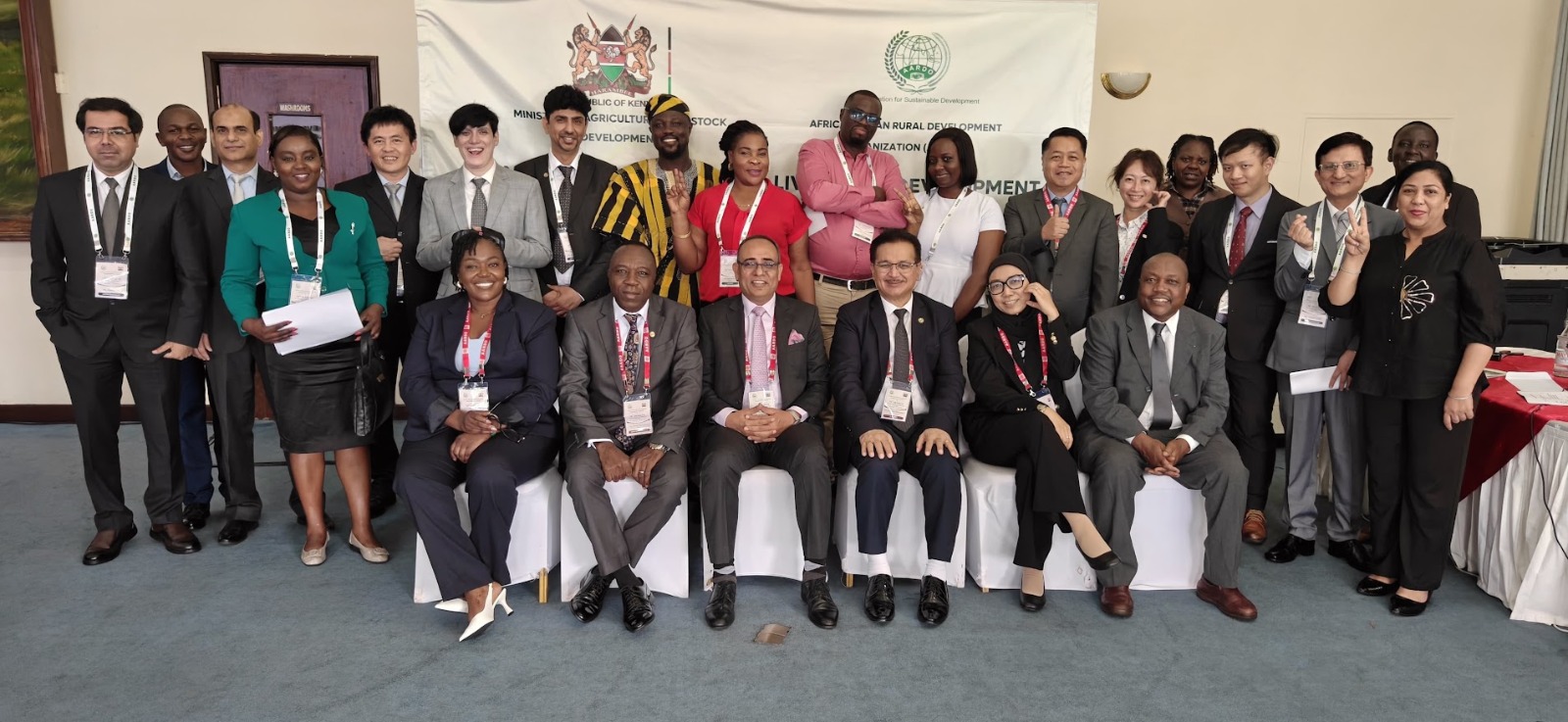
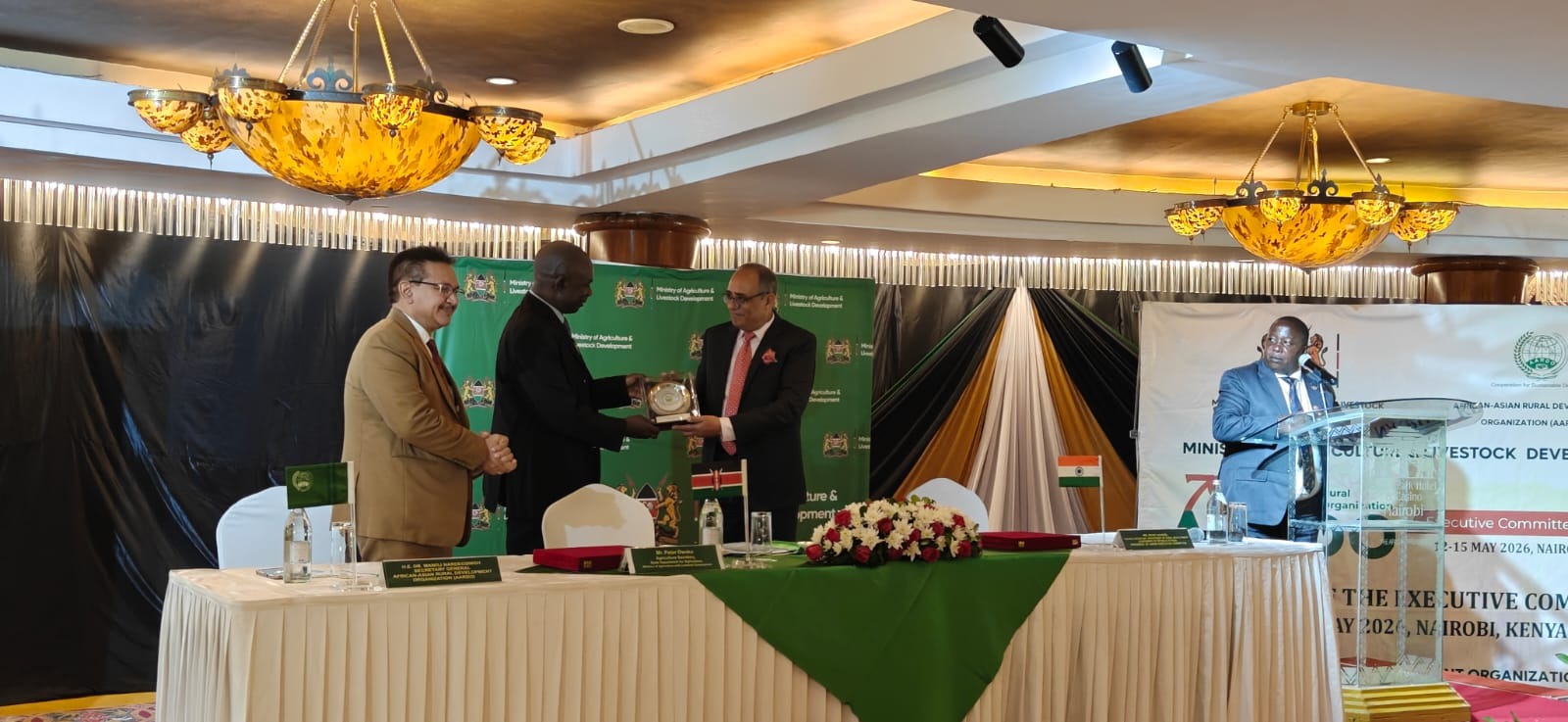
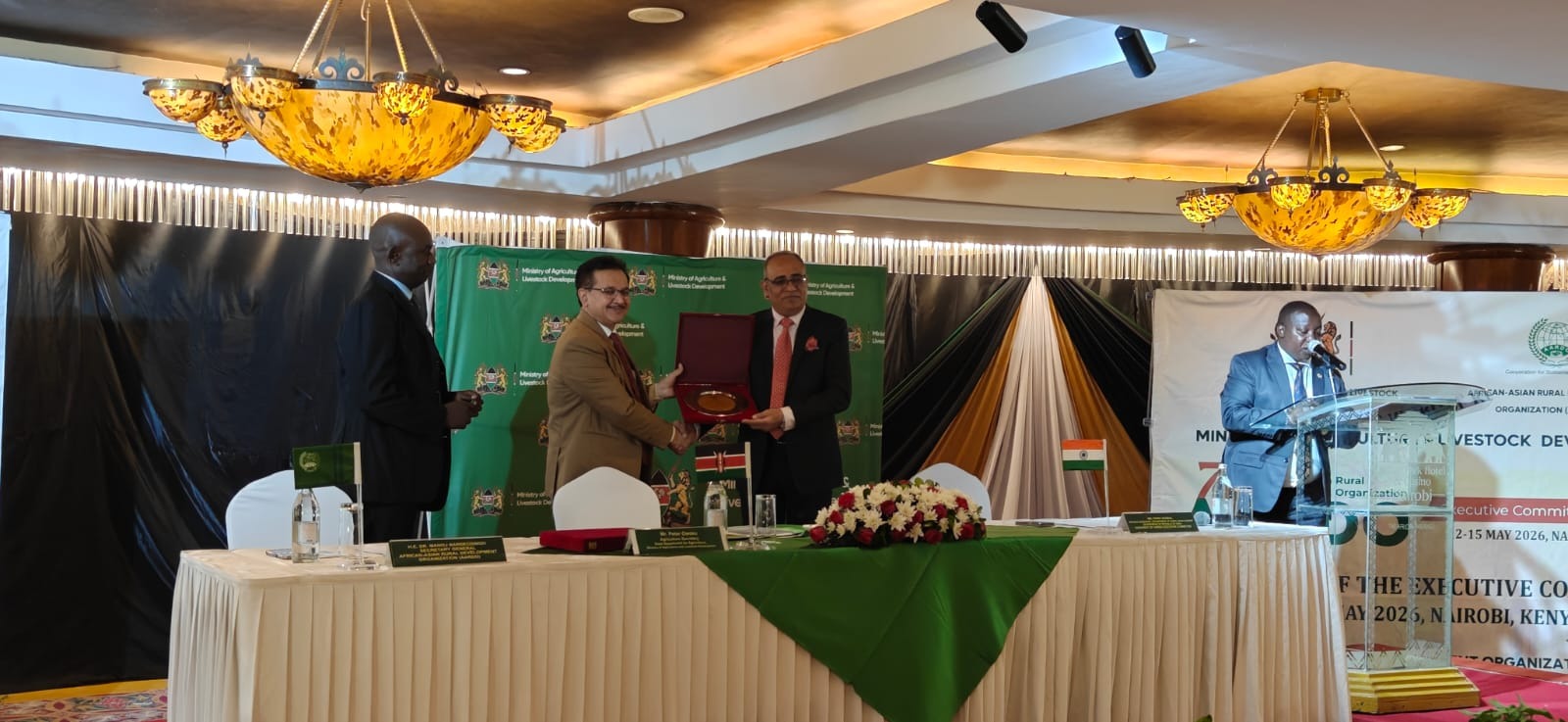
The 79th Session of Executive Committee of African-Asian Rural Development Organization (AARDO) was held on 12 - 15 May 2026 in Safari Park Hotel, Republic of Kenya, under the chairmanship of Mr. Rohit Kansal, Secretary, Department of Rural Development, Government of India and Hon'ble President of the Executive Committee of AARDO. The Session began with an opening remark by H.E. Dr. Manoj Nardeosingh, Secretary General, AARDO, followed by the presidential address by Honourable President of the 79th Session of the Executive Committee of AARDO. The session was, thereafter, formally inaugurated with an inaugural address of the Chief Guest, Mr. Mutahi Kagwe, EGH, Cabinet Secretary, Ministry of Agriculture, Livestock, Fisheries and Irrigation, Government of Kenya, read by Honourable Mr. Peter Owoko, Agriculture Secretary, State Department for Agriculture, Ministry of Agriculture &Livestock Development, Government of the Republic of Kenya.
The meeting was attended by Nine (09) members of the Executive Committee, namely, (i) Bangladesh, (ii) Taiwan, (iii) Ghana, (iv) India, (v) Kenya, (vi) Malaysia, (vii) Mauritius, (viii) Namibia, and (ix) Zambia attended the Session. His Excellency Dr. Manoj Nardeosingh, Secretary General, AARDO, attended the meeting as Member Secretary to the Executive Committee.
After adoption of the Provisional Agenda, the Executive Committee approved the decisions/recommendations and suggestions of the 83rd, 84th and 85th Sessions of Liaison Committee and adopted their final reports. The Committee also took note of the follow-up action taken/proposed to be taken by the AARDO Secretariat on the decisions/recommendations of the 21st General Session of AARDO Conference, 77th, 78th Sessions of the Executive Committee and 83rd, 84th and 85th Sessions of the Liaison Committee.
The Committee further reviewed and adopted the Report on Activities, Membership Contributions, AARDO Corpus Fund, and Member Relations for the period January–December 2025. It also approved the audited financial report for the year 2024 and the unaudited financial statements for 2025. Additionally, the Committee adopted the Sub-committee Report titled “Addressing Budget Deficit to Ensure Financial Stability of AARDO.”
The Committee equally approved the terms and conditions of service contracts for the new Secretary General and Assistant Secretary General of AARDO. It also ratified three Memoranda of Understanding (MoUs) signed by AARDO with institutions, and government during the reporting period. Moreover, the proposal for AARDO to join the Centre for International Cooperation and Training in Agricultural Banking (CICTAB) as a global member was approved.
The Committee took note of the synoptic Midterm Review (upcoming Report) and the process, outline and timeline of the forthcoming technical work programme 2028-2030.
The meeting concluded on 15 May 2026 with the approval and adoption of Summary Report of the Session.
AARDO International Webinar Series of E-Lectures on
“Climate-Resilient Agroforestry and Sustainable Agricultural Land Management (CRAF-SALM)”
08 May 2026
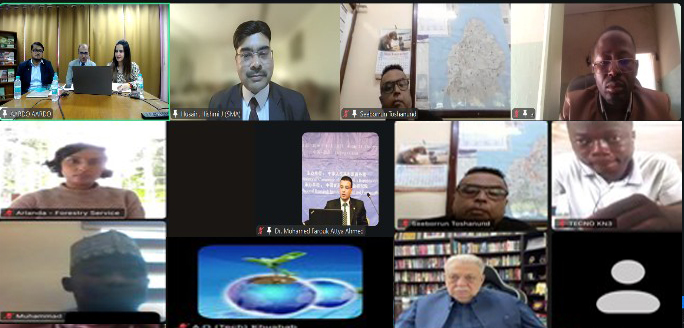
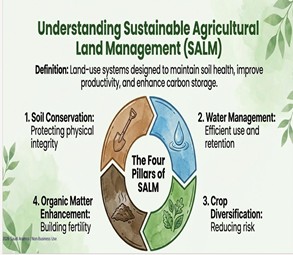
The African-Asian Rural Development Organization (AARDO) organized an International Webinar, under its E-Lecture Series, on “Climate-Resilient Agroforestry and Sustainable Agricultural Land Management (CRAF-SALM)”, on 08 May 2026, through virtual mode.
The webinar aimed at increasing awareness and strengthening the technical understanding of Climate-Resilient Agroforestry Practices and Sustainable Agricultural Land Management approaches that enhance agricultural productivity while ensuring environmental sustainability and ecosystem restoration. The programme also promoted knowledge sharing on biodiversity conservation, soil and water management, climate change adaptation and mitigation, and nature-based solutions for resilient agricultural systems.
The webinar was attended by a total of 106 participants from 21 AARDO member countries, namely, Bangladesh, Burkina Faso, Egypt, Ethiopia, Ghana, India, Jordan, Kenya, Liberia, Malawi, Malaysia, Mauritius, Morocco, Nigeria, Oman, Pakistan, Sri Lanka, Sudan, Syria, Tunisia, Zambia, and 03 prospective member countries (Cameroon, Madagascar and Niger). These participants were government officials, researchers, academicians, development practitioners, and other stakeholders engaged in agriculture, environment, climate change, and rural development.
The programme was ably facilitated by Dr. Khushnood Ali, Head Research and PP&P Divisions, AARDO who coordinated and steered the entire session and ensured its smooth conduct. On behalf of H.E. the Secretary General and the Assistant Secretary General of AARDO, Dr. Khushnood Ali, welcomed the distinguished participants and introduced the Resource Person.
The technical session was conducted by Dr. Hishmi Jamil Husain, who is an internationally recognized sustainability and environmental expert with over two decades of global experience in biodiversity conservation, climate change, corporate sustainability, and natural resource management. Dr. Hishmi has worked with leading international institutions and corporations, including Tata Steel, Rio Tinto, and ARAMCO, Kingdom of Saudi Arabia, and is widely recognized for his expertise in climate resilience, nature-based solutions, and sustainable development practices.
During his presentation, Dr. Hishmi elaborated on the concept and significance of climate-resilient agroforestry and sustainable agricultural land management as integrated approaches for sustainable land use. He highlighted the importance of integrating trees with crops and livestock systems to improve soil fertility, enhance water retention, reduce erosion and land degradation, and strengthen biodiversity and ecosystem stability.
He also extensively addressed key thematic areas such as: (i) the role of agroforestry in climate resilience, (ii) sustainable land management practices, (iii) biodiversity conservation, (iv) climate change adaptation and mitigation, (v) promotion of nature-based solutions, and (vi) practical case studies demonstrating sustainable agricultural practices. He further emphasized the role of climate-smart and ecosystem-based approaches in restoring degraded lands, enhancing farm productivity, and improving rural livelihoods while ensuring long-term environmental sustainability.
The webinar concluded with an interactive Question and Answer Session, during which participants actively engaged with the resource person on various practical and policy-related issues concerning climate-resilient agriculture and sustainable land management.
Followed by a vote of thanks delivered by Ms. Mitika Chopra, Technical Officer-I (PR), AARDO who expressed sincere appreciation to the distinguished resource person, Dr. Hishmi Jamil Husain, for his insightful and enriching presentation, and to Dr. Khushnood Ali for ably facilitating and ensuring the smooth and effective conduct of the programme. She also extended heartfelt gratitude to all participants for their active engagement and reaffirmed AARDO’s continued commitment to advancing knowledge-sharing, capacity-building, and collaborative learning for promoting sustainable agricultural and rural development across Africa and Asia.
Liaison Committee 86th Session
30th April 2026
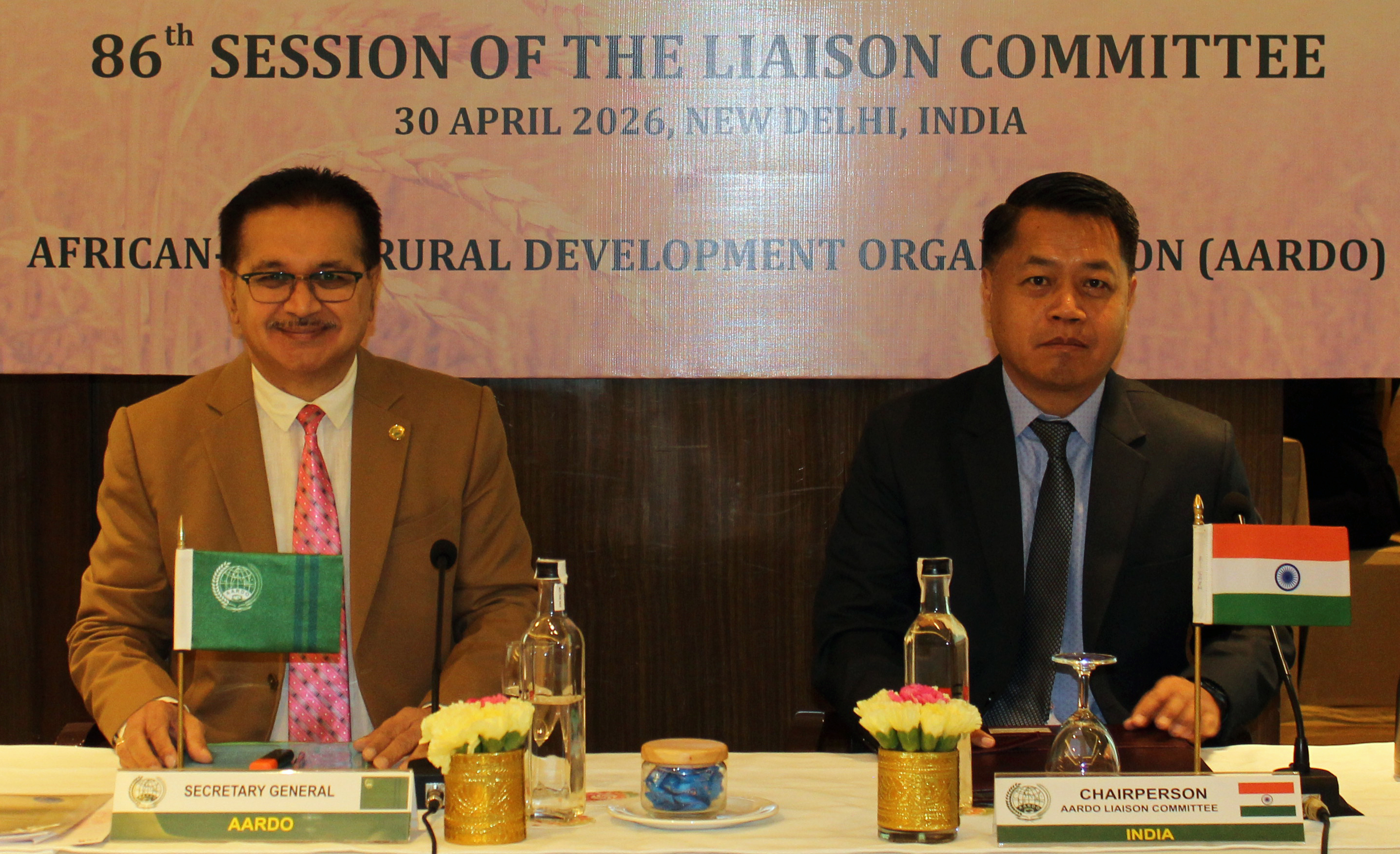
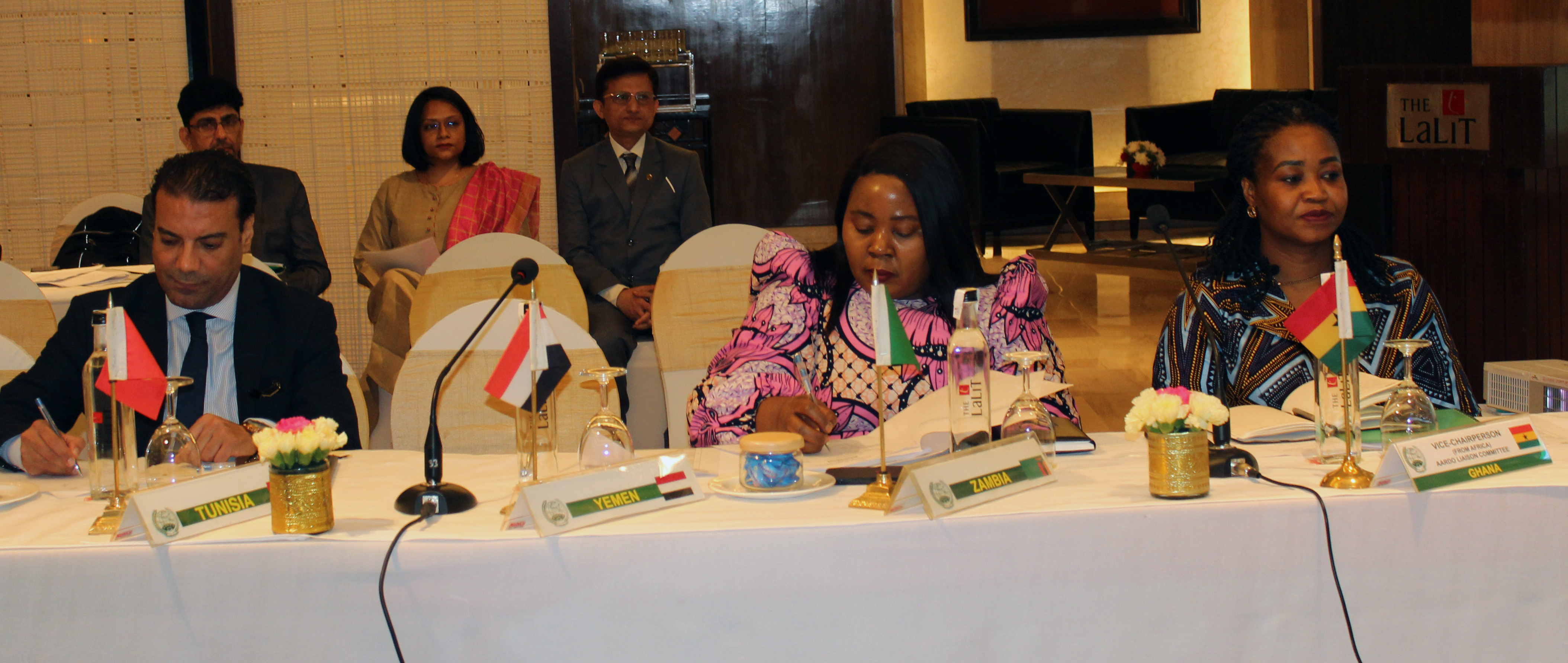
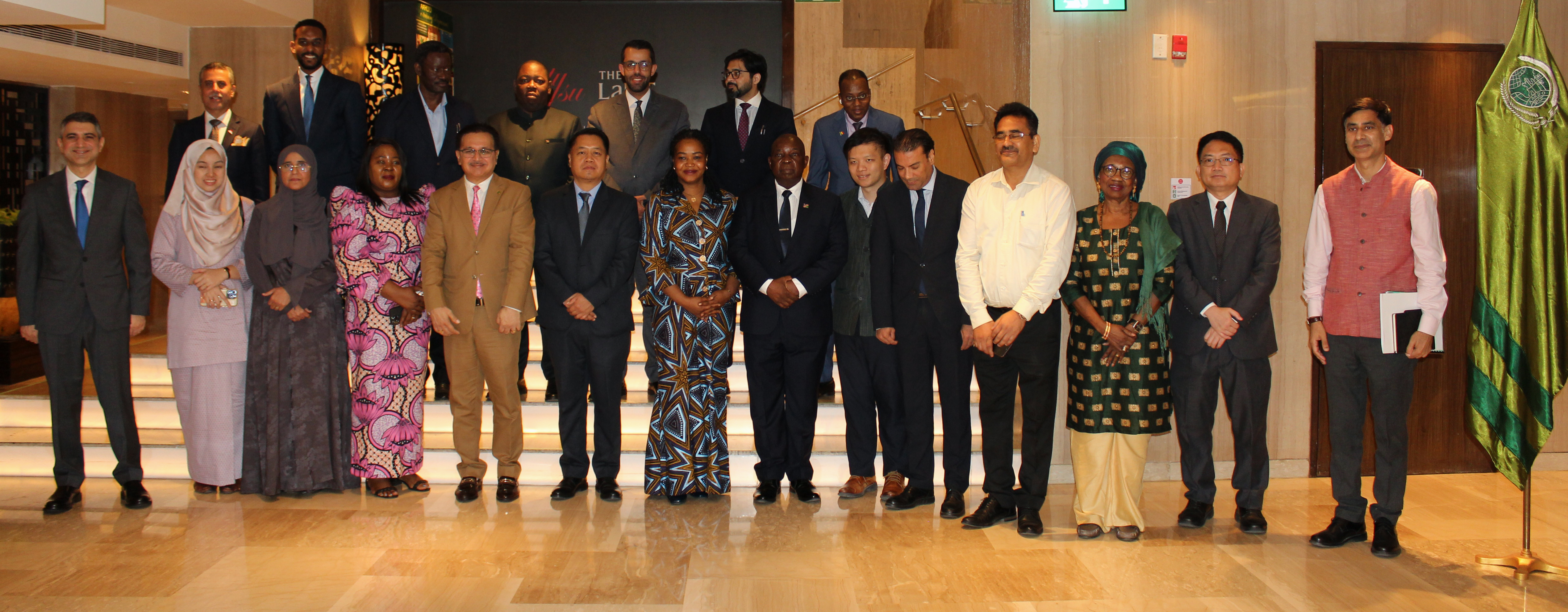
The 86th Session of the Liaison Committee of African-Asian Rural Development Organization (AARDO) was held on 30th April 2026 at the LaLiT Hotel, New Delhi, India, chaired by Mr. Lal Chanddama, Joint Secretary (IC), Ministry of Rural Development, Government of Republic of India, and the Hon’ble Chairman of the AARDO Liaison Committee. H. E. Dr. Manoj Nardeosingh, Secretary General, AARDO attended the meeting as Member Secretary to the Liaison Committee. The Session was attended by twenty-two (22) delegates from seventeen 17) member countries, namely, Burkina Faso, Republic of China (Taiwan), Egypt, Gambia, Ghana, India, Iraq, Jordan, Lebanon, Malaysia, Mauritius, Namibia, Oman, Pakistan, Sudan, Tunisia and Zambia. The meeting was also attended by representatives of Indonesia and Mali, as Observers and by Mr. Rami Qtaishat, Assistant Secretary General, AARDO.
The Session began with an address of H.E. Dr. Manoj Nardeosingh, Secretary General, AARDO, who warmly welcomed the chairperson and other distinguished delegates to the 86th Session, followed by the address of Mr. Lala Chanddama, Hon’ble Chairman of the Liaison Committee. The quorum being complete, the Business Session started with the adoption of its Provisional Agenda, followed by the adoption of the Summary Report of the 85th Session of Liaison Committee by the House. The Liaison Committee was apprised of follow-up actions taken/proposed to be taken by the AARDO Secretariat on the decisions/recommendations of the 85th Session of Liaison Committee. The Committee equally took note of a comprehensive review of AARDO activities relating to the Human Resource Development (HRD) Programmes, Development Pilot Projects and the Regional Offices. The Committee was also informed about the status of Membership Contribution and initiatives taken by the AARDO Secretariat to strengthen the Member Relations and expand membership of AARDO for the period, July – December 2025. It equally took cognizance of the projected programmes of AARDO scheduled to be held/being held from January to June 2026.
Subsequently, the Committee decided to hold its next (87th) Session on 29 October 2026 and, also approved a list of Special Invitees to attend therein, as Observers. Several agenda items were presented using comprehensive audio-visual ppt. presentations.
The meeting concluded with a vote of thanks to the participating delegates, by H.E. Dr. Manoj Nardesosingh, Secretary General, AARDO and Mr. Lal Chhandama, Joint Secretary (IC), Ministry of Rural Development, Government of Republic of India, and the Hon’ble Chairman of the Liaison committee of AARDO. Lastly, a group photograph of the distinguished delegates was captured.
International Training Programme on “Social Safety Nets: Challenges and Opportunities”, Akhtar Hameed Khan National Centre for Rural Development (AHKNCRD), Islamabad, Pakistan
06–09 April 2026
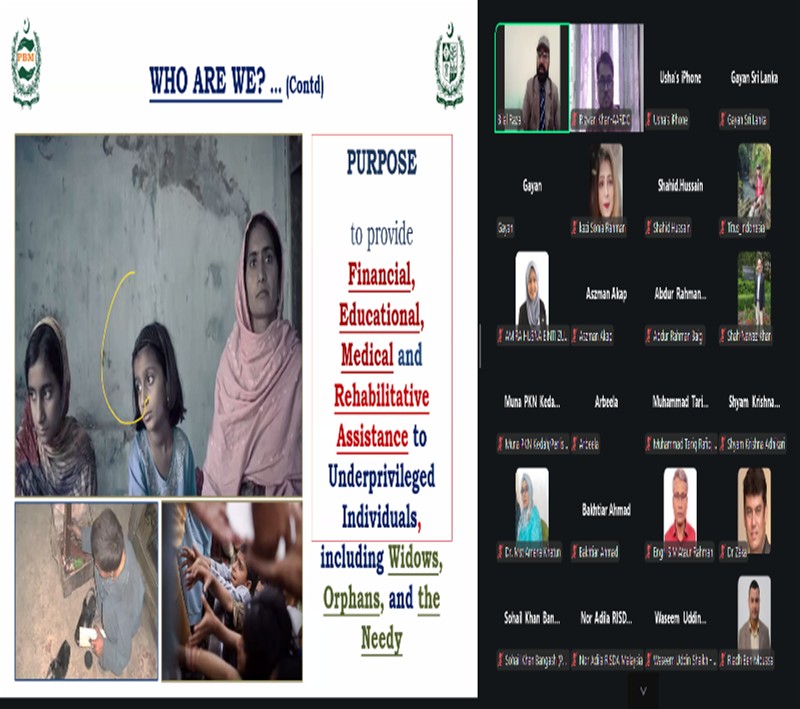
African-Asian Rural Development Organization (AARDO), in collaboration with the Akhtar Hameed Khan National Centre for Rural Development (AHKNCRD), Government of Pakistan and the Regional Office of AARDO for South and Central Asia, successfully organized above programme at AHKNCRD, Islamabad, Pakistan during 06-09 April 2026. The main objectives of the programme were to discuss the concept of Social Safety Net Programmes and their importance for poverty alleviation and sustainable livelihoods, particularly in Africa and Asia; to provide an overview and assess the impact of various Social Safety Net Programmes; and to offer a forum for sharing relevant experiences and strategies regarding the role of social safety nets in reducing poverty and ensuring sustainable development in African and Asian countries.
This training programme was attended by One Hundred and Seven (107) participants from Twenty two (22) AARDO member countries, namely Bangladesh, Egypt, Eswatini, Ethiopia, Gambia, Ghana, India, Iraq, Jordan, Kenya, Liberia, Malawi, Malaysia, Mauritius, Morocco, Nigeria, Oman, Pakistan, Sri Lanka, Sudan, Tunisia, Zambia and two (02) participants from potential member countries, namely Indonesia and Nepal. The wide participation reflected the growing importance of social safety nets in addressing poverty, inequality, and socio-economic vulnerabilities across developing nations.
The inauguration of the programme was held on 06 April 2026. Mr. Israr Mohammad Khan, Director General, AHKNCRD, delivered the welcome address, underscoring the critical role of social safety nets in alleviating poverty and fostering inclusive development. He emphasized the importance of innovation, institutional strengthening, and capacity building to enhance the effectiveness of such initiatives. He also expressed his sincere appreciation to H.E. Dr. Manoj Nardeosingh, Secretary General, Mr. Rami Qtaishat, Assistant Secretary General, AARDO, for their continued support in organizing this important programme.
H.E. Dr. Manoj Nardeosingh, Secretary General, AARDO, delivered the inaugural address underlined and the importance of international cooperation and knowledge sharing among member countries. He emphasized that strong and well-integrated social protection systems are essential for achieving the Sustainable Development Goals (SDGs), particularly in eradicating poverty, reducing inequalities, and promoting inclusive and sustainable development. He highlighted that the world is currently confronted with multiple and interconnected challenges, including economic uncertainties, climate change, environmental degradation, rising cost of living, and potential health crises, all of which disproportionately impact the poor and vulnerable sections of society. He noted that although many countries have made commendable progress in establishing and expanding such programmes ranging from food subsidies and cash transfers to pensions, education support, and livelihood initiatives there remains a pressing need for continuous innovation, expansion, and institutional strengthening to ensure their long-term sustainability and effectiveness. Drawing on empirical evidence, he pointed out that well-designed and efficiently implemented social protection systems can significantly reduce poverty, enhance resilience, and improve livelihood opportunities.
During the course of deliberation, special emphasis was given to Pakistan’s flagship social protection initiatives. Detailed presentations were made on the Pakistan Poverty Alleviation Fund (PPAF), which focuses on community-driven development and livelihood support, and the Benazir Income Support Programme (BISP), which utilizes data-driven targeting mechanisms such as the National Socio-Economic Registry (NSER) to ensure transparency and effective delivery of benefits. These programmes were recognized as significant contributors to poverty reduction and social inclusion. The training also showcased the role of institutions such as Pakistan Bait-ul-Mal in providing financial assistance, healthcare support, and educational services to vulnerable populations. Additionally, the innovative interest-free microfinance model of the Akhuwat Foundation was presented as a successful example of community-based and faith-driven financial inclusion, promoting entrepreneurship without the burden of interest.
Throughout the deliberations, participants engaged in interactive discussions and shared experiences from their respective countries. Key challenges identified included issues related to targeting and inclusion errors, limited financial resources, lack of coordination among programmes, and outdated data systems. At the same time, several opportunities were highlighted, such as leveraging digital technologies for improved service delivery, promoting integrated social protection systems, strengthening public-private partnerships, and adopting evidence-based policy-making approaches.
The programme concluded with a valedictory session in which Dr. Abdul Rehman Khan Niazi, Director Training, AHKNCRD, presented the key insights and outcomes of the training programme. Dr. Khushnood Ali delivered the valedictory address, emphasizing the need for continued collaboration, innovation, and commitment among member countries to strengthen social safety net systems. Participants expressed their appreciation to AARDO and AHKNCRD for organizing a highly informative and impactful programme and shared positive feedback on the knowledge gained.
The training programme successfully provided a comprehensive platform for understanding the complexities of social safety nets and exploring practical strategies for their effective implementation. It reinforced the importance of inclusive, transparent, and sustainable social protection systems in achieving equitable development and improving the quality of life for vulnerable populations across AARDO member countries.
International Online Training Programme on Cooperative Enterprise Models for MSMEs Growth & Market Access
16–19 March 2026
The African-Asian Rural Development Organization (AARDO), in collaboration with the National Cooperative Union of India (NCUI), New Delhi, successfully organized an International Online Training Programme on “Cooperative Enterprise Models for MSMEs Growth & Market Access” from 16–19 March 2026. The programme witnessed an overwhelming response, with over 200 registered participants from 23 member and prospective countries registering, providing a truly diverse and dynamic platform for knowledge exchange, capacity building, and cross-country learning on cooperative-led enterprise development.
The programme commenced with an Inaugural Session on 16 March 2026 (02:00–02:30 PM IST) which began with a welcome address and programme briefing by Sh. Vivek Yadav, Assistant Director, NCUI, followed by introductory remarks by Ms. Sandhya Kapoor, Director, NCUI. The Guest of Honour, Sh. Siddharth Jain, IAS, Joint Secretary, Ministry o Cooperatives & Administrator, NCUI, delivered the opening remarks, highlighting the Government of India’s commitment to strengthening cooperative enterprises. The session was further enriched by the Inaugural Address by H.E. the Secretary General, AARDO, who emphasized AARDO’s role in promoting South-South cooperation and cooperative-led MSME growth. The session concluded with a Vote of Thanks by AARDO official.
The technical sessions of the programme were comprehensive, practical, and highly engaging, covering critical dimensions of cooperative enterprise development for MSMEs. The sessions began with an in-depth exploration of cooperative enterprise models for MSME growth, followed by deliberations on digitalization of cooperatives to enhance transparency, efficiency, and competitiveness. Furthermore, sessions on collective branding and market positioning, along with packaging, labelling, and compliance with market standards, provided ample practical insights into improving product visibility and meeting quality benchmarks.
Special sessions focused on supply chain integration and value chain development, enabling participants to understand strategies for optimizing production systems and improving market linkages. The programme also highlighted digital transformation initiatives, cooperative-led e-commerce platforms, and integration with digital marketplaces. In addition, sessions on domestic and global market access strategies, export readiness, certifications, and sustainability compliance equipped participants with essential knowledge to expand into international markets.
Throughout the programme, participants actively engaged in discussions, shared country-specific experiences, and exchanged best practices, making the learning process highly interactive and enriching.
The programme concluded with a Valedictory Session, delivered by Mr. Kamal Dhameja, Head, CB&DP and Administration Divisions, AARDO who appreciated the enthusiastic participation of delegates from diverse countries and acknowledged the valuable contributions of NCUI and the expert faculty. He emphasized that cooperative enterprises were key instruments for inclusive growth, rural employment generation, and sustainable development. He encouraged participants to effectively utilize the knowledge gained and continue fostering collaboration across borders. Reaffirming AARDO’s commitment, he highlighted the organization’s continued efforts to strengthen capacities of member countries through such impactful initiatives.
The programme concluded on a highly positive note, with participants expressing their appreciation for the relevance, depth, and practical orientation of the sessions, making it a truly successful and impactful learning experience.
International online Training Programme on Water Resources Management: Principles and Practices with Special Emphasis on Groundwater
9 - 13 March 2026
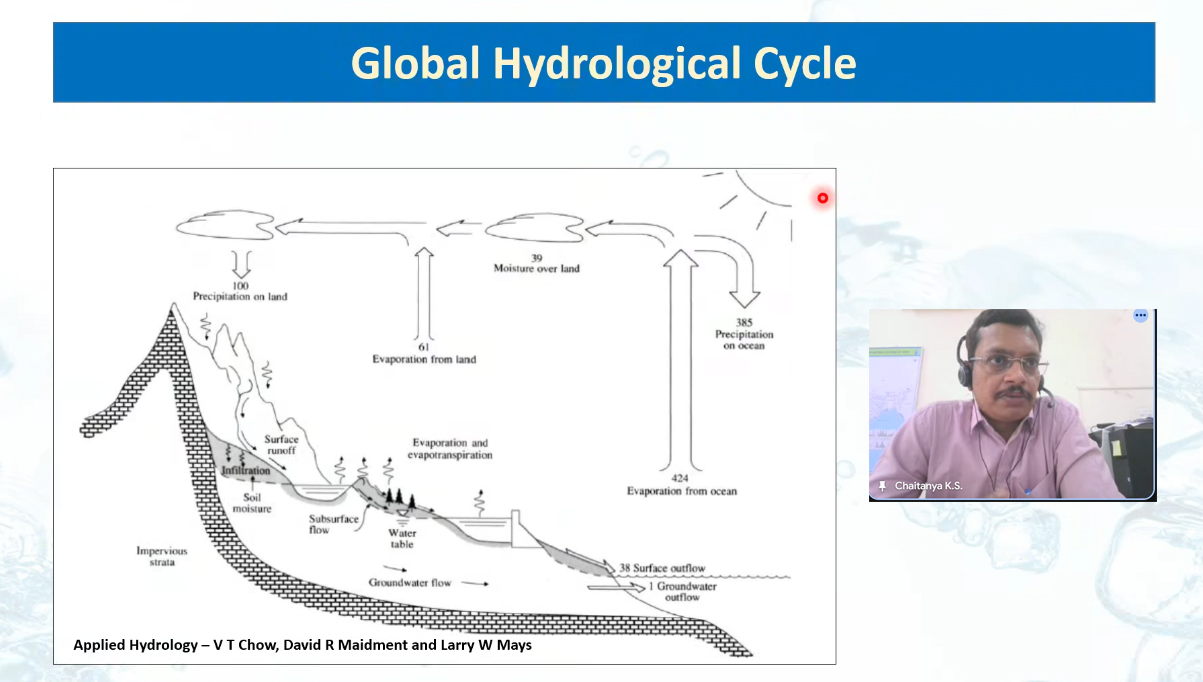
The African Asian Rural Development Organization, in collaboration with the Central Ground Water Board (CGWB), successfully organized an International online Training Programme on “Water Resources Management: Principles and Practices with Special Emphasis on Groundwater” from 9 to 13 March 2026. The programme was conducted by CGWB’s apex training institution, the Rajiv Gandhi National Ground Water Training and Research Institute, Raipur, Chhattisgarh, India.
This programme was designed to strengthen participants’ understanding of integrated water resource management (IWRM) principles and their practical application in sustainable groundwater governance. It focused on enhancing knowledge related to water quantity and quality management, ecosystem protection, and climate change adaptation strategies, while promoting evidence-based decision-making through innovative tools and technologies.
The training programme received an overwhelming response, with 187 participants from 29 countries, including five eligible AARDO member nations. The wide and diverse participation reflected AARDO’s continued commitment to fostering knowledge exchange and technical cooperation among developing countries. Participants comprised senior government officials, hydrologists, geologists, hydrogeologists, planners, researchers, academicians, and professionals actively engaged in the water resources sector.
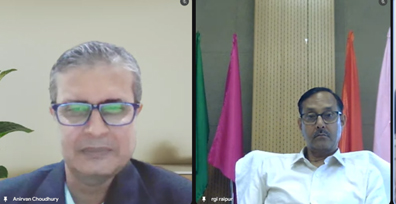
The programme was inaugurated on 9 March 2026 by Mr. T. B. N. Singh, Member (Innovation & Rejuvenation), CGWB. The inaugural session was graced by distinguished dignitaries including Dr. Ranjan Kumar Ray, Regional Director, RGNGWTRI, and Dr. Sanjeeb Kumar Behera, Head (IEC Division), AARDO, along with senior officials from RGNGWTRI and AARDO. In his inaugural address, Mr. Singh highlighted the long-standing collaboration between CGWB and AARDO in strengthening the capacity of water resource professionals. Dr. Ray emphasized the critical importance of integrated water resource management in achieving climate-resilient groundwater governance and advancing the Sustainable Development Goals (SDGs). Dr. Behera in his address, elaborated on the rationale for organizing the training programme and emphasized the need for continuous upskilling of professionals in the use of modern tools and technologies. Mr. Anirvan Choudhury, Scientist-D, RGNGWTRI & Course Director gave a brief introduction of the course objective, lecture schedule and the participants profile for this training. The vote of thanks was proposed by Mr. Ramesh Jena, Scientist-C, RGNGWTRI and Co-Course Director of the training program.
The technical sessions were conducted under the academic leadership of Dr. Ray and featured eminent resource persons from premier institutions including the National Water Academy (Pune), the National Institute of Hydrology (Roorkee), and Manav Rachna International University. The comprehensive curriculum covered key thematic areas such as integrated water resource management, groundwater science and its applied aspects, surface water management and basin planning, groundwater quality assessment and management, and emerging technologies for water resource management and climate adaptation.
The sessions combined structured expert lectures with interactive discussions, enabling participants to exchange field experiences, share best practices, and deliberate on region-specific challenges across diverse hydrogeological contexts. The online format ensured seamless global participation and effective dissemination of knowledge.
The valedictory session held on 13 March 2026 was addressed by Kamal Dhameja, Head, Administration and CB&DP Divisions, AARDO. Mr. Anirvan Choudhury, Scientist-D, RGNGWTRI & Course Director gave a brief report of the programme and highlighted various interventions by the participants. In his remarks, he summarized the key outcomes of the programme and expressed sincere appreciation to RGNGWTRI, the distinguished resource persons, participants, and collaborating organizations for their valuable contributions. He reiterated AARDO’s commitment to continuing such capacity-building initiatives in the field of water resources management.
Feedback from participants was overwhelmingly positive, with many appreciating the programme’s practical orientation, high-quality technical content, and interactive format. Participants also expressed keen interest in attending advanced and in-person training programmes in the future.
International Webinar on “Aquaponics and Circular Waste-to-Resource Management”, IIT Kharagpur
19 February 2026
The African-Asian Rural Development Organization (AARDO), in collaboration with the Indian Institute of Technology (IIT) Kharagpur, successfully organized an online technical webinar on “Aquaponics as a Circular Waste-to-Resource Platform: Integrating Biofiltration, Vermicomposting, and Nutrient Recovery” on 19 February 2026, from 2:00 PM to 4:00 PM (Indian Standard Time).
The webinar witnessed the participation of one hundred and seventy four (174) participants representing twenty-four (24) AARDO Member Countries, namely, Burkina Faso, Egypt, Eswatini, Ethiopia, Gambia, Ghana, India, Jordan, Kenya, Lebanon, Malawi, Malaysia, Mauritius, Morocco, Namibia, Nigeria, Pakistan, Palestine, Sierra Leone, Sri Lanka, Sudan, Syria, Tunisia and Zambia. In addition, four (04) eligible Member Countries, namely American Samoa, Maldives, Uganda and the United Arab Emirates, were also covered under the programme's outreach.
The technical session was delivered by Prof. Gourav Dhar Bhowmick, Assistant Professor, Department of Agricultural and Food Engineering, IIT Kharagpur, who shared valuable insights into the principles, design and practical applications of aquaponic systems as an integrated and resource-efficient approach to sustainable food production.
The presentation covered key aspects of aquaponics, including the role of biofiltration and microbial nutrient cycling, integration of vermicomposting with aquaponics, and nutrient recovery and reuse in integrated farming systems. The session also highlighted the productivity, economic viability and environmental sustainability of such systems, along with the importance of policy and institutional support in promoting circular agriculture.
The webinar emphasized the potential of aquaponics as an innovative circular waste-to-resource platform, wherein fish farming and plant cultivation are integrated to facilitate efficient resource utilization, minimize waste generation and recover valuable nutrients. Such integrated approaches offer promising opportunities for sustainable food production, particularly in the context of climate change, increasing resource constraints and the need for resilient agricultural systems.
During the programme, Prof. Gourav Dhar Bhowmick also disseminated information about the AARDO–IIT Kharagpur Scholarship Programme for M.S. by Research, apprising participants of the academic opportunities available under the programme, along with relevant eligibility requirements and the application procedure. This provided an opportunity for interested candidates from AARDO Member Countries to learn about advanced research opportunities at IIT Kharagpur.
The technical deliberations enhanced participants’ understanding of emerging agricultural technologies and relevance of integrated farming systems in their respective countries. The webinar also encouraged knowledge exchange and highlighted the potential for adapting innovative resource-recycling practices to local agricultural conditions.
Through this initiative, AARDO and IIT Kharagpur reaffirmed their commitment to promoting technological innovations, facilitating international knowledge exchange and strengthening institutional cooperation for sustainable agriculture and rural development across Africa and Asia.
International Exposure Visit Programme On “Cooperative Business Model”, VAMNICOM, Pune, India
03-06 February 2026
The Centre for International Cooperation and Training in Agricultural Banking (CICTAB), in collaboration with the Ministry of Cooperation, Government of India, and the Vaikunth Mehta National Institute of Cooperative Management (VAMNICOM), Pune, India, successfully conducted an International Exposure Visit Programme on “Cooperative Business Model” from 3rd to 6th February 2026 at VAMNICOM, Pune, India.
The programme was organized with the objective of enhancing participants’ understanding of cooperative governance, management practices, and sustainable business approaches within the cooperative sector. A total of three participants from AARDO Member Countries — Eswatini, Mauritius, and Zambia participated in the programme. The four-day programme comprised a blend of classroom sessions and field exposure visits, enabling participants to gain both conceptual understanding and practical exposure to the functioning of cooperatives in India. The classroom sessions focused on important themes including cooperative business models, managerial and financial decision-making, governance mechanisms in cooperatives, and the contribution of cooperatives to rural and agricultural development.
As part of the exposure component, visits were arranged to leading cooperative institutions in and around Pune city. These included dairy cooperatives, consumer cooperative stores, multipurpose cooperative societies, agricultural development institutions, fertilizer cooperatives, and cooperative financial institutions, including banks. The visits offered participants an opportunity to observe best practices related to member participation, value addition, financial management, and the application of modern technologies in cooperative operations.
The programme concluded with a valedictory session during which participants shared their experiences and presented action plans for applying the knowledge and lessons gained in their respective countries. The exposure visit provided meaningful insights into strengthening cooperative systems, encouraging service diversification, and improving financial sustainability at the grassroots level. Certificates were awarded to all participants upon successful completion of the programme, reaffirming CICTAB’s continued commitment to fostering international cooperation and strengthening capacity-building initiatives in the cooperative sector.
International Online Training Programme on
Advances and Challenges in Global Sustainable Agriculture
19- 22 January 2026
The African Asian Rural Development Organization (AARDO), in collaboration with Harper Adams University (HAU), United Kingdom, successfully organized a four-day International Online Training Programme on “Advances and Challenges in Global Sustainable Agriculture.” The programme emphasized the urgent need to transform agricultural and food systems in response to climate change, environmental degradation, resource constraints, and global food and nutrition security challenges. It provided a valuable international platform for sharing knowledge, experiences, and science-based solutions aimed at building resilient, inclusive, and sustainable agricultural systems.
The programme received an overwhelming response, 236 delegates from twenty-eight (28) AARDO Member Countries registered for participation, namely Bangladesh, Burkina Faso, Republic of China (Taiwan), Egypt, Eswatini, Ethiopia, Gambia, Ghana, India, Iraq, Jordan, Kenya, Malaysia, Mauritius, Morocco, Nigeria, Oman, Pakistan, Palestine, Sri Lanka, Sudan, Syria, Tunisia, and Zambia, along with participants from four (04) prospective AARDO Member Countries, namely Togo, Tanzania, Seychelles, and South Africa. The wide geographical representation reflects the strong global interest in sustainable agriculture and cross-regional learning.
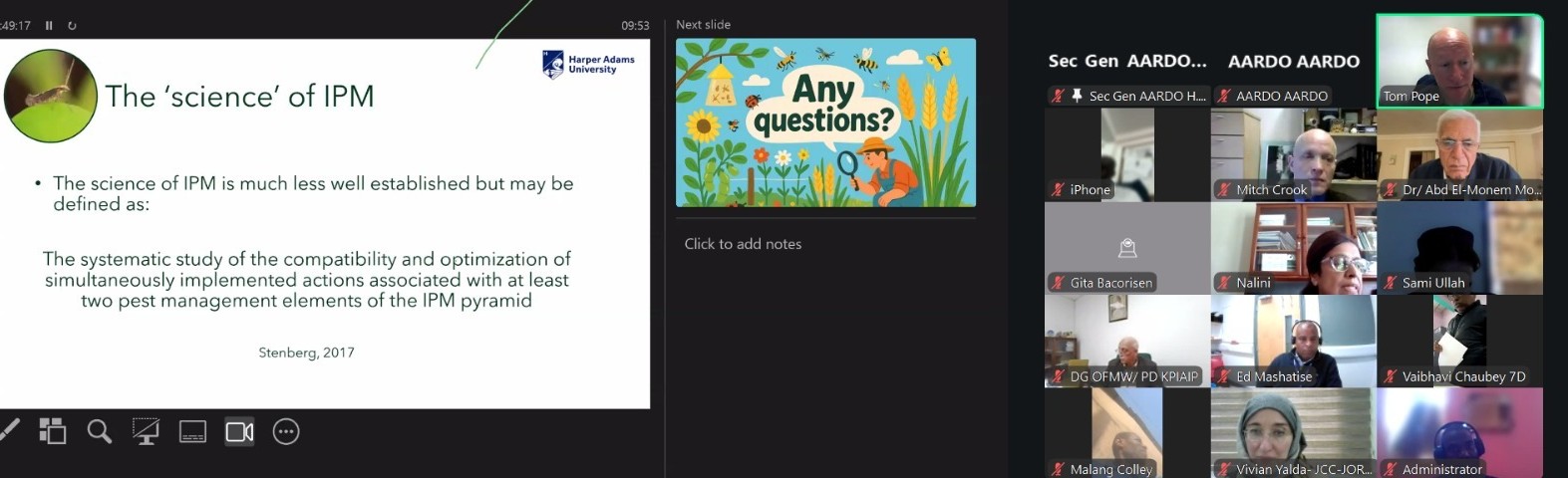
The inaugural session commenced with an introduction by Prof. Mitch Crook, Programme Coordinator, Harper Adams University. This was followed by a welcome address delivered by Ken Sloan, Vice Chancellor and Chief Executive Officer, Harper Adams University. Professor Sloan emphasized the University’s commitment to global engagement in agricultural education, applied research, and innovation, and highlighted the importance of international partnerships in addressing contemporary and emerging agricultural challenges.
The session was equally addressed by H.E Dr. Manoj Nardeosingh, Secretary General, AARDO. Who underscored the growing pressures on global agriculture and food systems arising from climate change, resource scarcity, population growth, and nutritional inequalities. He emphasized the need to transform food systems to be both people-positive and planet-positive, and called for collective action to scale up research-driven and proven solutions to sustain farmers’ livelihoods, expand consumer choices, and restore ecological balance.
The four days technical sessions of the programme offered comprehensive and in-depth coverage of the major dimensions of global sustainable agriculture, with a strong emphasis on practical, science-based, and field-oriented solutions. The sessions examined the effective implementation of Integrated Pest Management (IPM) as a key strategy to reduce dependence on chemical inputs while maintaining crop productivity and ecological balance. Significant focus was placed on soil health and regenerative agricultural approaches, highlighting the importance of soil biodiversity, organic matter management, and conservation practices in enhancing long-term farm sustainability and resilience to climate stress.
The role of ruminants and sustainable grazing systems was discussed in detail, emphasizing the need to balance environmental sustainability with the nutritional, economic, and livelihood benefits of livestock-based farming systems. In addition, the sessions showcased recent technological advances in sustainable agriculture, including precision agriculture, digital tools, and innovative farming technologies aimed at improving productivity, resource-use efficiency, and climate resilience. Through expert presentations, case studies, and interactive discussions, participants gained practical insights and scalable solutions applicable across diverse agro-ecological conditions in AARDO Member Countries.
The Valedictory Session, held on 22 January 2026, marked the successful conclusion of the programme. During the session, Mitch Crook, Programme Coordinator, Harper Adams University, presented a comprehensive summary of the programme, highlighting key thematic discussions, learning outcomes, and the rich exchange of experiences among participants.
Subsequently, Mr. Kamal Dhameja, Head, CB&DP Division, African Asian Rural Development Organization (AARDO), delivered the valedictory remarks. He expressed On behalf of AARDO, sincere appreciation to Harper Adams University for its excellent academic collaboration, institutional support, and expert contributions. He particularly extended his thanks to Prof. Mitch Crook and Prof. Edmore for their valuable academic inputs, professional guidance, and dedicated efforts in ensuring the smooth and successful conduct of the programme.
He also extended heartfelt thanks to all participants for their active engagement and meaningful contributions throughout the training programme. He expressed special appreciation for Mohsin Ali, Technical Officer, CB&DP Division, AARDO, for his excellent coordination. He further reaffirmed that AARDO and Harper Adams University would continue to work closely to explore concrete collaborative initiatives, including joint capacity-building, training, and knowledge-sharing programmes, for the benefit of AARDO Member Countries.
The training programme was highly appreciated by participants for its relevance, quality of deliberations, and practical orientation. The successful collaboration between AARDO and Harper Adams University reaffirmed their shared commitment to promoting sustainable agriculture and strengthening the capacities of AARDO Member Countries in building resilient, inclusive, and future-ready food systems.


 French
عربي
French
عربي